
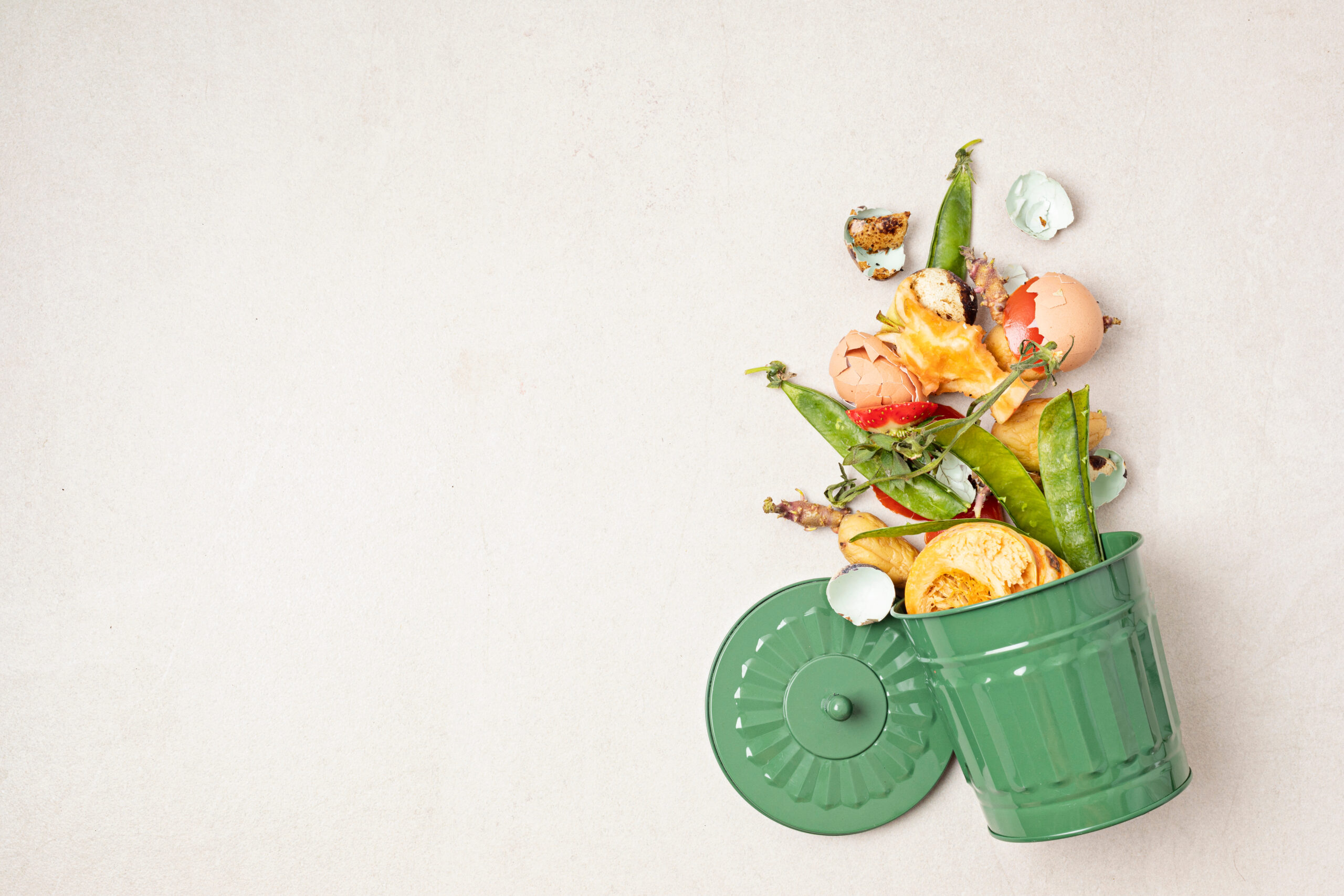
It’s likely that you’ve embarked upon (or at least heard of) a fridge purge. We’ve all seen the sitcom stereotype in which the family or group of roommates finds something growing — or living and moving rather — on the leftovers in the back of the fridge. And while it’s funny to watch on television, there’s a deeper issue that needs to be addressed.
According to the U.S. Department of Agriculture, each year Americans as a whole waste over 133 billion pounds of food — per person, that’s nearly 400 pounds of food. According to MITRE, a nonprofit organization that runs federally funded research and development centers, eliminating food waste could save the average household over $1,500 per year. Not only is a zero-waste kitchen more sustainable — it’s also far more budget friendly.
Most Commonly Wasted Foods
A study conducted by Bosch Home Appliances found that the most wasted foods in America were fruits and leafy vegetables, bread, dairy products, meat and potatoes. The top three reasons people said they wasted food were that “it [would] go bad before [they could] reuse it, [they] frequently buy more than [they] need and [there was] not enough to make another meal.”
By adopting better meal planning and spending habits, learning how to use as many parts of our food as possible and composting the rest, we can create a more sustainable way of life better for the Earth, ourselves and our wallets.
What Is a Zero- Waste Kitchen?
According to the Auguste Escoffier School of Culinary Arts, zero-waste cooking is defined as “[using] every single part of vegetables, fruits, meat and whatever else may be required for your dish.” However, not every part of an ingredient needs to be used in one meal. Saving parts of ingredients for other purposes and composting the rest can help you become more sustainable.
For example, say you purchase a rotisserie chicken at the beginning of the week for a meal and remove the whole pieces first — breasts, thighs, wings and legs. Whatever you don’t eat during the first meal can be shredded and used later in the week: mojo, bbq or any style you like. Shredding the chicken also helps integrate smaller pieces still stuck to the bone. Then, once the bones are mostly clean, save the carcass to make a stock or gravy before discarding.
Some creative recipes that will help you start your zero-waste cooking journey can be found at zerowastekitchen. moveforhunger.org, zerowastechef.com and thezerowastekitchen.ca.
A Brief Guide to Composting
The Environmental Protection Agency (EPA) suggests composting via one of two methods: backyard composting and worm composting. Backyard composting can be done in an area with good drainage or in a bin. A good composting pile will have a mix of “carbon-rich materials (browns), nitrogen-rich materials (greens), water and air,” according to the EPA.
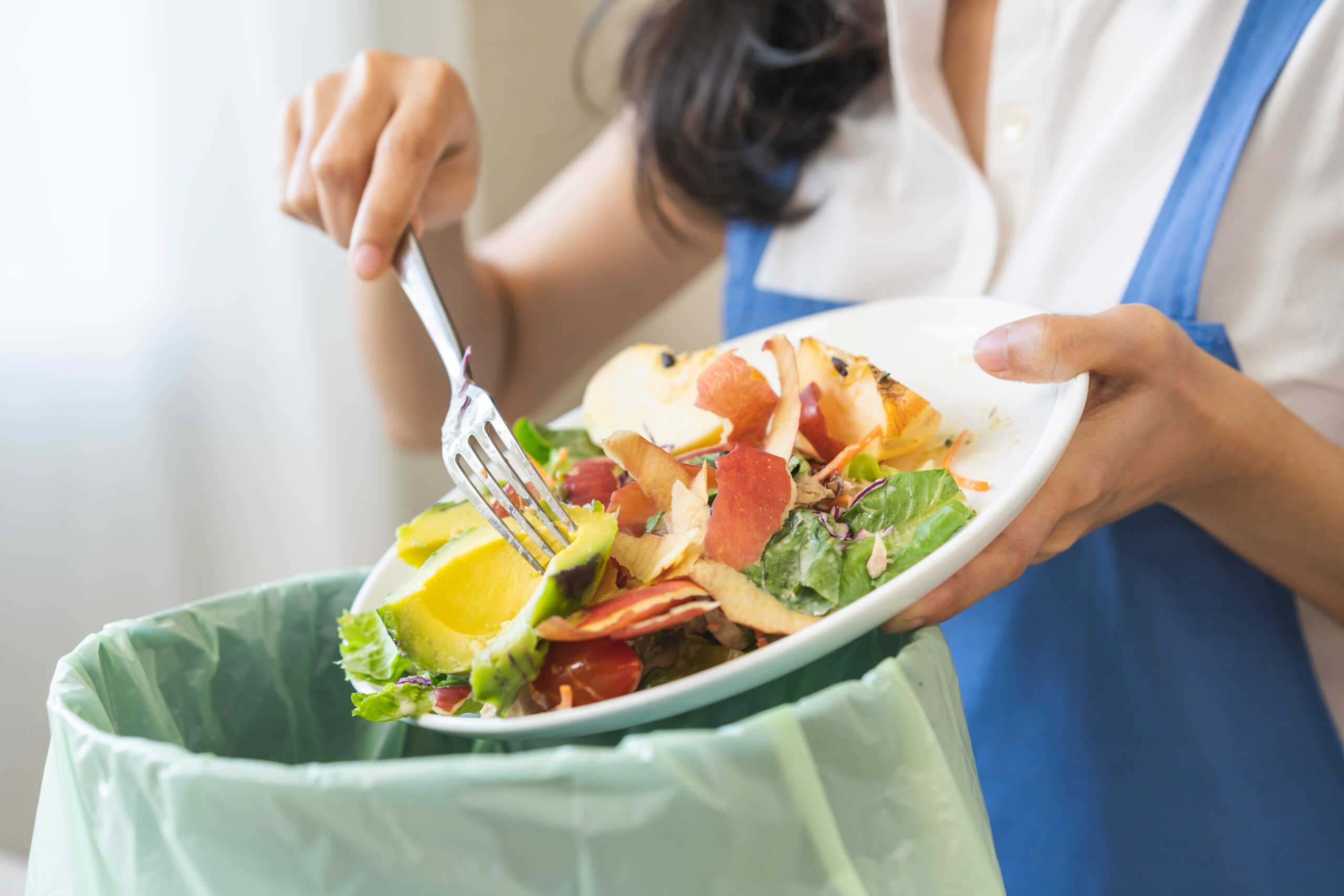
Browns include items like leaves, twigs, shredded paper and cardboard. Greens include items such as coffee grounds, fruit and vegetable scraps and eggshells. Avoid meat and bones, dairy products, oils, large amounts of cooked food and items that contain chemical substances. If you do not wish to compost at home, you may also be able to take advantage of community composting.
Operating in a zero-waste kitchen helps you live in a way that better protects our environment and vital resources, gives you more freedom to purchase healthier ingredients that may be more expensive than generic ones and allows you to feel a sense of purpose and gratitude in life.
When you take the time to give back, it reminds you of each individual’s unique impact, and learning how to live more sustainably is just one way you can help the world and yourself to thrive.

