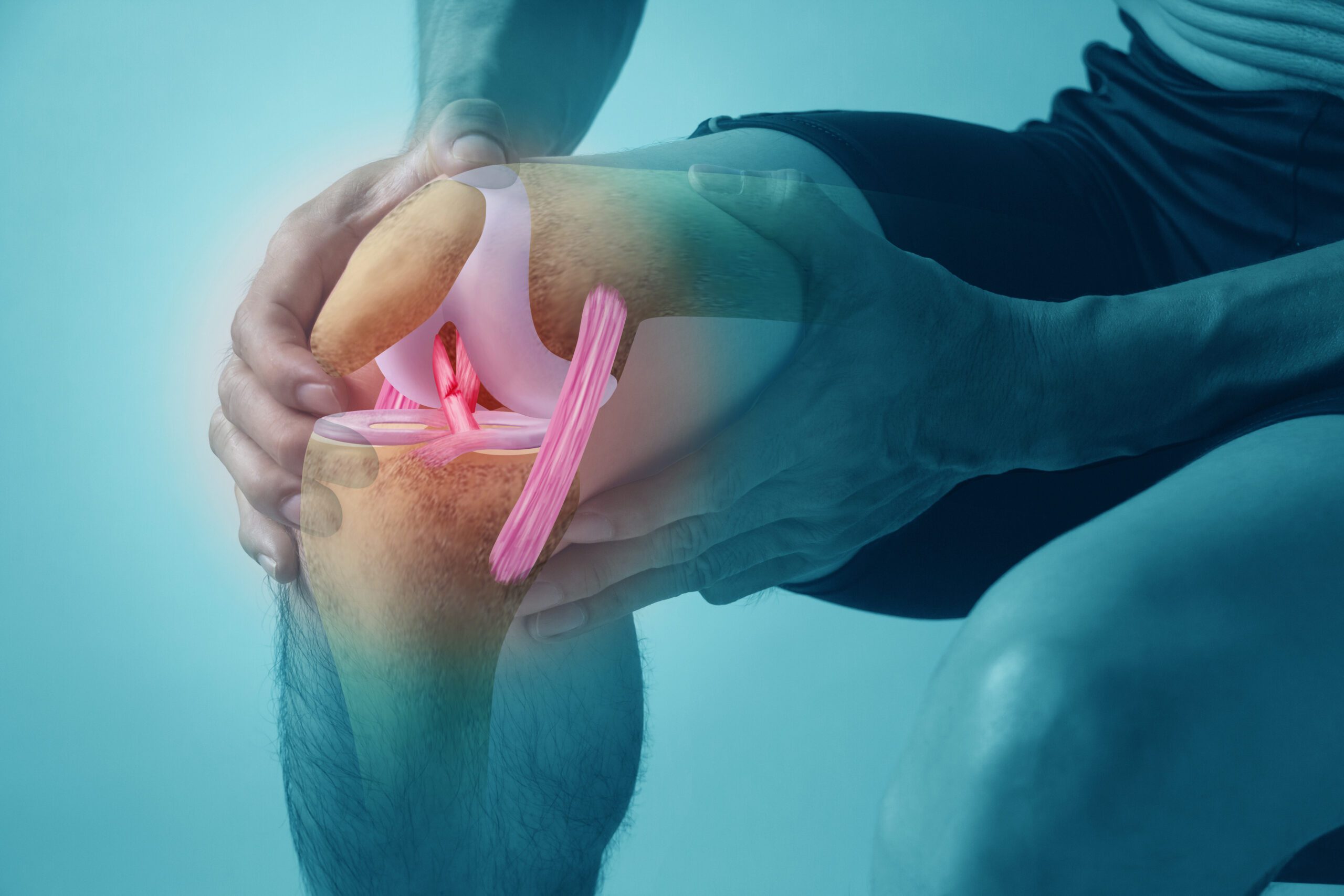
If you’ve played sports, or even just watched enough of them, you’ve probably heard someone groan, “Ugh, it’s an ACL tear.” The anterior cruciate ligament, or ACL, is a small but mighty band of tissue inside your knee that connects your thigh bone to your shinbone. Its main job? Keep your knee stable and stop your lower leg from sliding forward or twisting too far.
According to the Mayo Clinic, ACL injuries are among the most common knee injuries, especially in sports that involve sudden stops, quick pivots or jumping — think basketball, soccer, football and skiing. Even though the ACL is only about the size of your pinky, when it’s damaged your whole leg can feel wobbly and useless.
WHY THE ACL GETS HURT SO OFTEN
Here’s the kicker: about 70 to 80% of ACL injuries don’t even happen from colliding with someone. Most tears are noncontact, meaning they occur from planting your foot and twisting hard, landing awkwardly or stopping suddenly.
Women are also at higher risk. The Mayo Clinic notes that female athletes are two to eight times more likely to injure their ACL than men. Experts point to a mix of anatomy such as wider hips and different knee alignment, hormones and the way women’s muscles fire during movement.
NOT JUST A SPORTS INJURY
While ACL injuries get most of their press from pro athletes, you don’t have to be Tiger Woods to end up with one. Everyday mishaps such as slipping on a wet floor, missing a step while carrying groceries or wearing unstable shoes can also put enough strain on the ligament to cause a tear. Even car accidents and falls at home can do the damage.
HOW YOU KNOW IT’S BAD
An ACL tear usually announces itself with drama. According to Health.com, many people hear or feel a pop in the knee, followed quickly by swelling, pain and a sense that the knee can’t hold you up. Walking, let alone running, becomes tough, and turning or pivoting feels almost impossible.
FIXING A TORN ACL
Minor sprains may heal with conservative treatment — rest, ice, compression, elevation (RICE) — plus physical therapy to rebuild strength and stability. But, according to the American Academy of Orthopaedic Surgeons, complete ACL tears often require surgery. Surgeons usually reconstruct the ligament using a tendon graft from your own body or a donor.
And surgery is just the start. Rehab can take nine months or more with a focus on regaining range of motion, strengthening muscles and retraining your body to move safely. Rushing back too soon raises your risk of reinjury.
KEEPING YOUR ACL SAFE
Here’s the good news: you can reduce your odds of an ACL tear. Studies cited in the British Journal of Sports Medicine show that neuromuscular training programs, focusing on proper landing techniques, core strength and balance, can cut injury risk by up to 50%. That means practicing how you jump, land and change direction, not just building brute strength.
Coaches and trainers are increasingly adding these drills to youth and women’s sports programs, and experts say it’s never too early to start. As Dr. Tim Hewett, a leading ACL researcher, has put it: “We can’t change anatomy, but we can change how people move.”