When I visited home during my senior year of college, I stood with my mother in my father’s master bathroom and slathered his face in shaving cream. As he sat motionless in his wheelchair, I gently held his arms in an attempt to keep him from ripping the razor from my mother’s hands. We spoke to him quietly, hoping to distract him from the strangers touching his stubbled chin.
He’d stare into the mirror. Then at the floor, scattered with a combination of grey and black hairs. And then at me. But there was nothing behind his eyes. I begged for a spark of recognition, a moment of clarity, though I was reaching for someone who had already left.
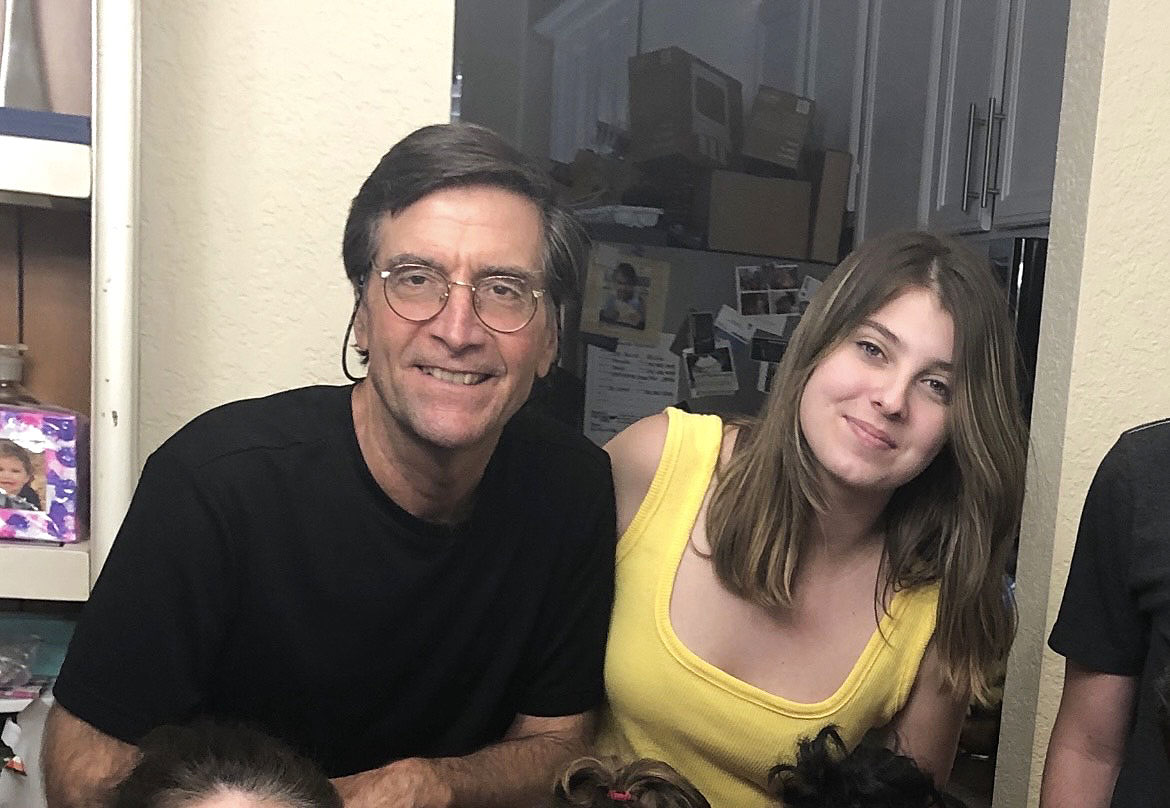
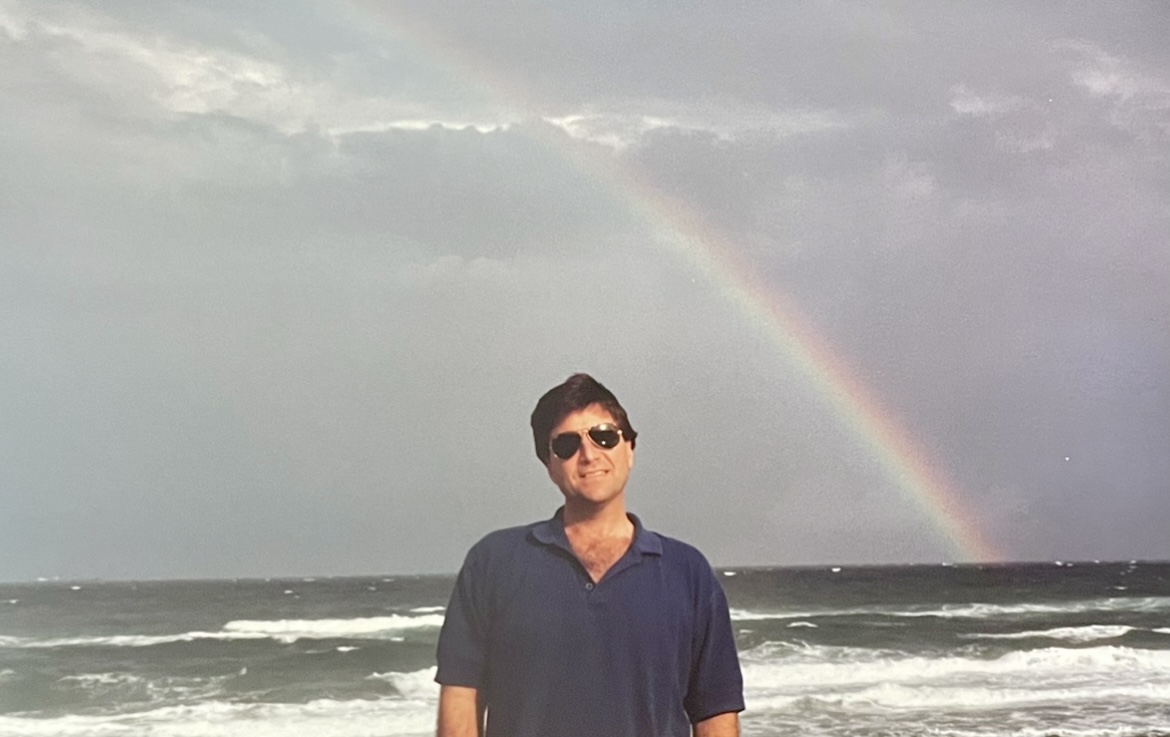
My father passed away in February this year, due to complications from early-onset Alzheimer’s disease. He was 58 years old when he was diagnosed. My twin brother and I were 14, just starting high school.
As horrifying as the words Alzheimer’s disease sound to me now, at the time, they seemed meaningless. I had heard the term briefly on national news when it announced breaking research or rising rates of diagnosis, showing clips of elderly couples wiping away tears throughout interviews.
During dinner, I often liked to ask Dad questions about his aunt, Eleanor, whom he had mentioned was diagnosed with the disease, describing it as an illness that “made adults behave like children.” Eleanor always perplexed me; Dad said she lived in an assisted living facility and liked to spend her days playing with dolls, and I naively pictured a calm, beautiful, put-together woman dressed like a child, dolls in her hand.
When my mother sat my brother and me down in our cousin’s backyard, my father by her side, and informed us of his diagnosis, we simply shrugged our shoulders and hoped that our silence could make the conversation end sooner. Dad never said a word until we sat down for dinner.
I couldn’t grasp the idea that my father, who was in seemingly perfect health — he frequently went to the doctor, jogged at least two miles a day and ate a regimented diet — could have anything wrong with him aside from his typical kidney stone. And as he stared at me on that moldy chair in my cousin’s backyard, and later smiled at my brother and me while driving us home from dinner, I thought, “Well, it doesn’t seem like anything is wrong with him?”
Many of the stories we often hear of Alzheimer’s, either through the news or distant friends or family, emphasize the concept of memory loss, yet fail to explain how the disease is much more complex than forgetting the names of your loved ones. I was never prepared for the fact that the brain loss associated with the disease affects every aspect of the victim, eating away at not only what makes them “them,” but also at their independence and basic human ability to function.
There had been minor signs of my father’s decline. Yet, for about two years before his diagnosis, my mom believed many of the symptoms could be associated with the everyday stress of life — forgetfulness paired with aging, alcohol, depression or anxiety.
Mom noticed him misplacing house keys and books, forgetting his fried chicken recipe and becoming increasingly frustrated with his workload as a well-respected environmental attorney. Each weekend, Dad would sit in his silk living room chair, surrounded by legal pads, binders of cases and a black ballpoint pen in hand, yet stare endlessly at the documents, rereading them and rewriting notes. His ritual of reading the newspaper each Sunday morning transformed into an hour-long chaos of obsessive annotations scribbled throughout the paper.
After several months, he was asked to resign from work, and, according to Mom, he began to depend on her for almost everything. His decisions, emails and interview preparation became her burden to carry. As a man who took pride in his independence and, at times, viewed his intelligence as superior to others’, his behavior immediately sounded alarms for her.
Mom recalled that Dad grew tired, napping throughout the day, and became irrationally frustrated when items were not where he had initially put them. After dinner one night, he briefly shouted at me for placing a glass plate in the “wrong spot” in the dishwasher, acting as if my placement had personally offended him.
Weary of the subtle changes in his behavior, but expecting a treatable diagnosis, my mother took Dad to his primary care doctor, who performed a series of tests: physicals, mini-mental state examinations, blood work and a sleep test. The doctor couldn’t find anything wrong with Dad; in fact, he exceeded each examination, even the mental ones.
Aside from a brief mental breakdown, when Dad sobbed as he failed to recognize my mother or our home, the changes in his behavior were almost unnoticeable. My mom tried to hide her anxiety from us, quietly carrying the weight of every doctor’s appointment and unanswered question. It was clear to her, though, that Dad was struggling to communicate.
Under the impression that he might be depressed, Mom decided to take him to a psychologist who specialized in behavioral therapy. This was the first time a doctor acknowledged and validated my mother’s fears for Dad’s mental state, she said.
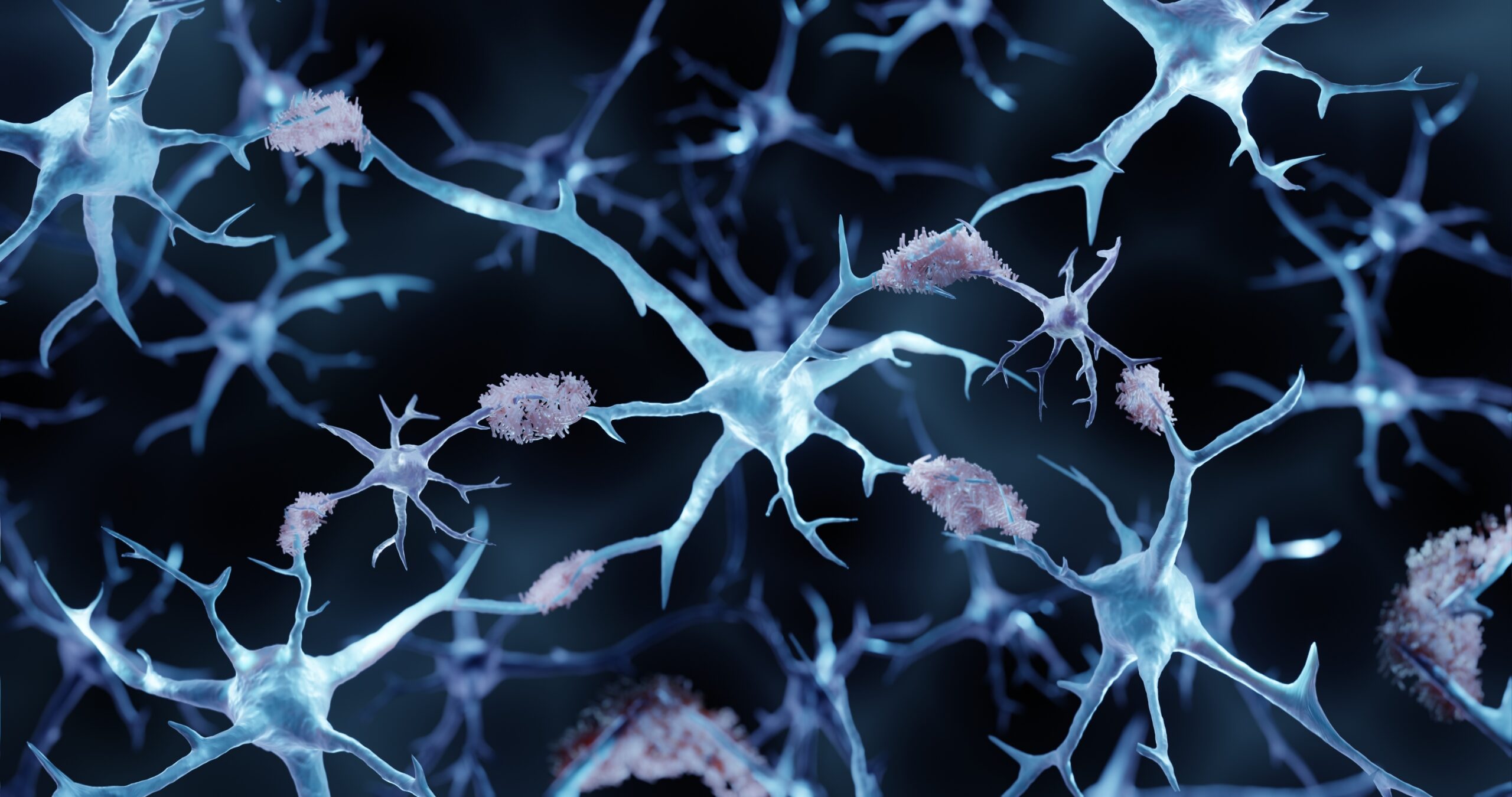
After being referred to a neurologist, Dad was officially diagnosed with Alzheimer’s disease from a PET scan, which detected the plaque that had begun to deteriorate his brain.
The first few months after my father’s diagnosis were relatively straightforward; in addition to my lack of knowledge about the disease, his behavioral changes were so minor that it was easy to ignore the impending threats of his condition. Though he suffered from moments of confusion and often forgot my friends’ names or small details from stories about my classes, he still behaved “normally.”
I only began to truly accept my father’s condition when the unwavering signs of the disease were directly in front of me. About two to three years after his diagnosis, he became increasingly obsessive compulsive, causing him to repeatedly circle the house, pick up papers and move them around, fix the pillows on the couch and hide my laptop and textbooks. He would swim back and forth in the pool, walk to the end of the street, come back inside, then return to the activity, repeating this almost all day.
Dad was at peace and clearly content with his life, but he was also becoming more childlike, unable to make his own decisions and often disoriented. I began testing his memory, hoping to better understand what he could recall about our relationship. One night, I asked him to watch a comedy movie with me, one of our former favorite activities, to see if he could follow the plot. He stared at the movie, confused, repeatedly asking questions and laughing when there was nothing to laugh at, almost as if it were a performance of normalcy.
Soon, his speech began to falter. He’d stutter in between phrases, aware of his shortcomings and clearly frustrated with his inability to construct precise statements. He would stop in the middle of a sentence, searching his brain for the correct vocabulary and squinting his eyes in intense focus.
His obsessive compulsiveness progressed to him constantly picking at every object in our home, leading my mom to hide the knives and often prevent him from going into the kitchen. My brother and I were not allowed to keep personal items in the living room, unless we wanted Dad to stick them in his mouth, throw them in the toilet or break them.
Eventually, after I moved four hours away to college, his speech turned into a different language, a series of long pauses and jumbled words. We would often nod in approval and say, “I know” or “yes, Dad,” to help him feel understood.
I was forced to become my father’s caretaker at 14. During a time when I needed guidance the most, I found myself assuming the role of a parent, even though I, too, was still a child.
As the disease attacked Dad’s brain, stealing from him his past and his future, he transformed into a 5-foot- 11 infant, and he began to reluctantly depend on my mom, brother and me.
His inability to communicate and understand his needs led to frustrated grunts or tantrums when he didn’t get what he wanted, could not verbalize what he needed or did not want to accept assistance.
He could never be left alone. Mom set up security systems throughout the house and took him with her on every errand. My brother slept during the day and stood awake at night in case Dad, who had become nocturnal and often banged around the house when it was dark, needed help going to the bathroom or became frightened.
While I only had to assist when I was visiting home from college, my brother and mother spent each second of the day tending to his every need — dressing him, taking 30 minutes to convince him to put on a jacket, checking in to see if he needed to use the restroom, brushing his hair and teeth, feeding and showering him, providing entertainment and preventing him from wandering away from the house, which was a constant battle.
The most exhausting aspect of Alzheimer’s, aside from the grief and physical toll of caregiving, was the disease’s unpredictability. It was as if, with a snap of a finger, a new symptom would appear, with no warning. Doctors could also rarely provide an answer for the timing and progression of my father’s symptoms, leaving my family in the dark on what to expect and when. We spent the years wondering when something could go wrong or waiting for a new “terrible” symptom to pop up.
Unfortunately, aggression was one of those symptoms. It began with occasional moments of yelling or swinging his arms in frustration, typically triggered by his sense of inadequacy. He was convinced that my brother and I were working to “get him in trouble,” and he’d resent any form of guidance or assistance. As he failed to recognize me, transitioning from once believing I was a friend to a complete stranger, my touch became alarming and overwhelming. If I attempted to help him put on his seatbelt or his sweatshirt, he would immediately scream obscenities and swat my hand away.
As the days passed and his aggression worsened, Dad became unrecognizable. He couldn’t remember how to swallow or perceive hunger, causing him to lose significant weight. His cheeks sank, and his skin sagged over the sharp edges of his bones. He struggled to control his muscular functions, leading him to accidentally urinate or defecate in his pants or on the floor, eventually causing our family to dress him in diapers after every shower.
The severe aggression ingrained itself in my mind, making it difficult to remember the calmer moments of the disease, in addition to the man my father was.
When doctors decided that Dad’s body had begun to shut down, they recommended that my mom send him to hospice.
I visited him to say goodbye at the beginning of his week-long stay, yet once I sat beside him, I was taken aback by my loss for words. I had already said goodbye years ago; there was nothing left to say. As I brushed his leathery and thinning skin with my fingertips and listened to his ragged breaths, I attempted to permanently burn the memory of what his skin felt like in my mind. Though some individuals might aim to forget an experience such as this, I wanted to remember it as clearly as possible, since it marked the end of about eight years of what seemed to be endless suffering for my father and my family.
I used to share my father’s diagnosis openly with friends and strangers, possibly with the hope that my casualty about the situation could lessen the pain or make it feel more “normal.” Friends would say, “I’m so sorry, that’s so terrible,” and I’d shrug my shoulders and respond with, “It’s okay, he’s had it for a long time, I’m used to it.”
As eight months have passed since his death, I’ve realized that his diagnosis and his death were not okay, and never will be. Alzheimer’s is a truly disgusting, life-altering, painful and morbid illness. Aside from the opportunity to offer comfort to someone you love so deeply, caring for an individual with the disease and watching someone you love disappear in front of you is one of the most difficult things I’ve faced; it makes you question yourself and your stamina and pushes your physical and mental limits, leaving you to wonder, when will this end, and what did they do to deserve this?
My father’s illness became a testament to the fact that terrible and sickening events can happen in a second — children die, undeserving people are diagnosed with life-altering diseases, loved ones lose jobs and relationships end — and sometimes there is no good reason. My dad never deserved to lose his memory, to miss out on watching his children graduate from college or to spend his remaining years helpless and terrified. Yet he did. And all I could do was eventually pick myself up off the floor and walk through the pain, carry it with me, hoping that one day it wouldn’t hurt as badly.
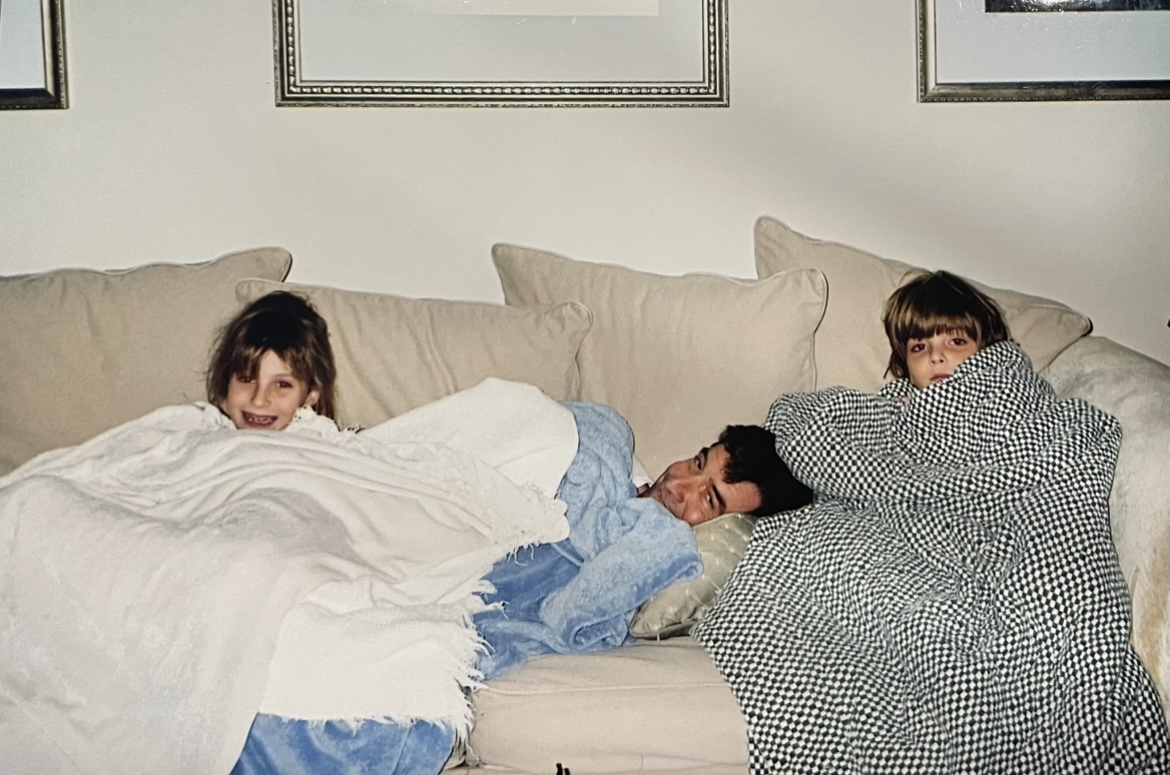
And no one can do it alone. Alzheimer’s disease, similar to any form of emotional or physical disability, requires an unwavering support team to allow you to provide physical care without sacrificing your sanity. My therapist compared a support system to a dining room table; when a leg breaks, the whole table falls.
Secure something or someone so that, when life feels like one setback after another, there is something permanent to look forward to or someone to hold your hand and make you laugh through the tears. My father’s illness made the positive moments, like family dinners and worry-free nights, seem incredibly rare. I often depended on those brief moments with my loved ones to remind me that I could still have sparks of calmness while grieving.
When I sat at our family dining room table, an hour before midnight, typing furiously and begging my mother for feedback on my college essay, we agreed that my father should have been the one to critique my grammar with his highlighter and red pen. While our whispers circled over the table, Dad lay in his La-Z-Boy chair, breathing and mumbling, overhearing our wishes but not understanding them.
Alzheimer’s disease leads to two deaths — the soul and the body. Though the diagnosis offers an extended period to grieve the victim’s loss, before their mind fades further away, you are forced to watch their intelligence, personality and memories die long before their body.
Though I felt an overwhelming sense of relief the morning of Dad’s passing, I’ve noticed a much larger hole in my life than expected. A longing for my dad has replaced the relief, although, at times, I’m unsure whether my imagination has partially fabricated my memory of him, given it’s been about eight years since I really knew him.
Each time I wrote an article during my undergrad, before clicking the “Submit” button, I ached for the chance to Facetime Dad for journalism advice instead of asking a classmate. When I struggled to wipe the tears off my face and get out of bed after my last breakup, I pictured him walking into my room and awkwardly dancing before quoting, “All men are bastards” from the 1995 film “French Kiss.” As I made homemade pizza sauce with my roommate’s father, I wished it could have been with Dad standing by my side instead. And when I walked the stage at graduation, rather than feeling like Dad was “with me,” as many people say to expect, I couldn’t shake the feeling that something was missing.
I’ve finally allowed myself to cry about my father’s diagnosis and death. I long for a version of life where I still have my dad — where I never had to watch him forget and slowly despise me, and where I can still be excited for a future that includes him. But as much as I wish the situation were different, some losses can’t be prevented, and they can’t be undone.
I’ve permitted myself to dwell in the frustration; my mom often says we have to sit with being uncomfortable before we can notice change. But I hope the anger never leaves me. It’s filled me with a curiosity for the force that pushes people out of bed on their darkest days, the reason why people keep living when their life partners are ripped away without warning. Despite the cruelty of life, why do we keep going, especially if it can be taken away in a second? And what is it in my life that allows me to look toward the future, even if I ache for it to be different? There must be a reason why I’ve continued to move forward, holding both the pain and the beauty, even if I haven’t figured out all the answers yet.