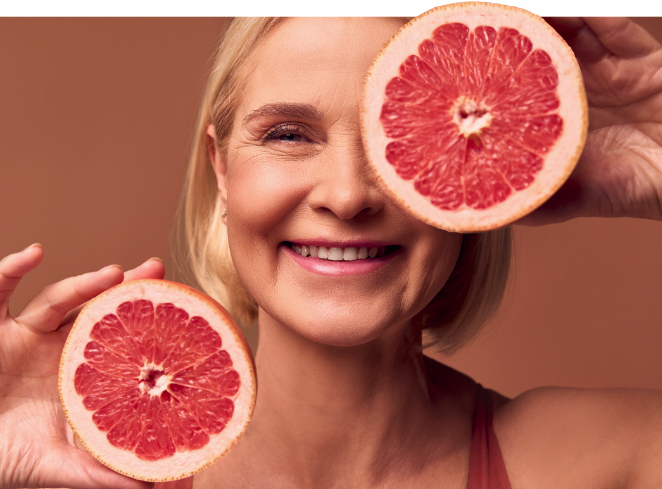
These days, it seems everyone is looking for the fountain of youth. Advertisements abound for pills, creams, supplements, lotions and just about any formulation you can imagine, promising youth and vitality. What if the secret to health and longevity can be found in the foods we eat and the way we live our lives?
What is Biological Age?
Chronological age is the number of years since birth (how old you are). Biological age is how well your body functions and may differ from your chronological age.
DNA methylation is a natural process that acts like tiny chemical “switches” on your DNA, helping turn genes on or off without changing the genes themselves. Scientists use these patterns to create epigenetic clocks, tools that estimate your body’s biological age, which may reflect your overall health better than chronological age. Some advanced epigenetic clocks can also reflect age-related changes like cellular health and inflammation.
How Food Contributes to Inflammation
Chronic inflammation in the body acts as a persistent stress that can cause damage to cells and accelerate the aging process. The foods we regularly consume can either exacerbate inflammation or act as an anti-inflammatory agent. Not surprisingly, the foods that most help and hurt are exactly what you’d expect of a healthy diet.
Foods associated with higher inflammation include ultra-processed foods, processed meats, excess sugar and refined carbohydrates. Those foods associated with lower inflammation include whole foods such as berries, leafy greens, legumes and nuts as well as fatty fish, olive oil and whole grains.
Anti-Aging Nutrient Powerhouses
While the aforementioned foods help control inflammatory processes, it’s helpful to think more broadly and focus on the nutrients that support healthy aging. While there is no one superfood that will turn back time, a diet rich in these nutrients can improve health. Eat a diet flourishing in omega-3 fatty acids, polyphenols, fiber, protein, antioxidants and vitamins and minerals that come from consumption of whole foods.
- Omega-3 fatty acids (found in fish, seeds, walnuts) reduce chronic inflammation, support heart and brain health and help reduce cognitive decline.
- Polyphenols (found in berries, tea, coffee, dark chocolate, olives) also support heart and brain function, as well as creating a healthy gut microbiome.
- Fiber (found in fruits and vegetables, whole grains, nuts, seeds) helps regulate blood sugar and cholesterol and support the digestive system.
- Protein (found in meats, legumes, dairy products) helps build and maintain muscle mass, which is particularly important with aging and independent living. Muscle mass is critical to maintain balance and prevent falls.
- Antioxidants (found in colorful fruits and vegetables) help protect cells from damage and therefore protect against aging decline.
- Vitamins and minerals: Fruits and vegetables provide a wide variety of vitamins and minerals that support general health. The best source of these nutrients is through natural foods over supplements.
Lifestyle Factors Matter
Besides consuming a healthy diet, other lifestyle factors help shape your biological age. Staying active with regular exercise will help slow the aging process. Quality sleep is crucial for restoration and regeneration as well as helping protect cognitive health. Stress management is critical for long-term health as chronic stress can cause inflammation, increased cortisol levels and sleep disruption. Avoid smoking as it damages the body in many ways — skin aging, increased inflammation, reduced blood flow and DNA damage — aging the body prematurely. Maintaining a healthy body composition will also combat age-related disease and infirmity. Having strong social connections keeps the brain engaged, improves mood and helps protect against premature aging.
While scientists are still exploring how nutrition affects biological aging, we know the same eating habits that reduce inflammation, support heart and brain health and lower the risk of chronic disease also appear to support healthy aging at the cellular level. Rather than chasing the latest “anti-aging” food or supplement, focus on consistent healthy lifestyle habits. A colorful plate, regular activity, quality sleep, stress management and friendships can help your body stay healthy today and in the future.