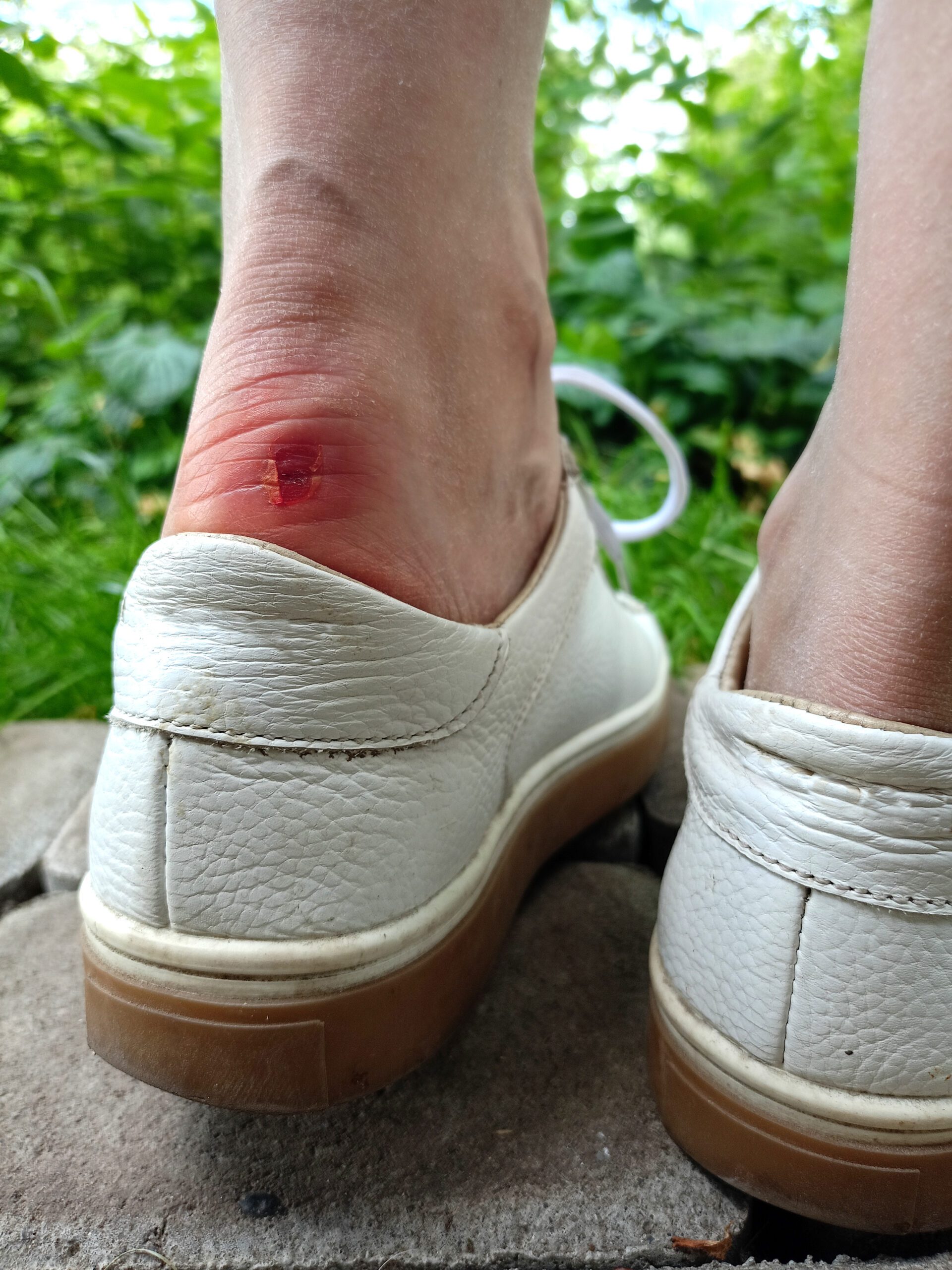
Exercise and activity have so many benefits for our bodies, but it can also bring some unwanted side effects. Chafing is a common skin condition that can occur when skin rubs together from activity and/or hot weather.
“The medical definition of chafing is a skin irritation that happens when your skin rubs against another part of your skin…or against clothing or another material,” said the Cleveland Clinic. “Chafing commonly occurs in warm, moist areas such as your inner thighs, groin, buttocks, armpits and under your breasts.”
But chafing can also occur in other areas, including buttocks and feet, made worse by ill-fitting shoes combined with sweat. Unfortunately chafing is often made worse by heat, humidity, sweat and moisture, something that can’t be avoided in the hot Florida summer.

More severe chafing can include: “blisters; torn, cracked, or broken skin; welts; swelling; bleeding, or [even] secondary skin infections.”
Once you identify the symptoms of chafing, try to discontinue the activity that caused the friction in area with the condition. Clean the area with mild soap and water and be sure to pat it dry. You can then treat the affected skin according to the severity of irritation.
“After you’ve cleaned and dried the infected area, apply an aloe vera gel. Aloe vera may help relieve any pain and prevent further infection,” said the Cleveland Clinic. “Then, apply a layer of petroleum jelly to help heal irritation and prevent the chafing from getting any worse. [Zinc oxide can also be helpful as a barrier cream.] To treat chafing in your groin area, you may try applying cornstarch to help absorb excess moisture.”
Chafing should heal within a few days especially if you treat while avoiding the activities that caused it. However, if you notice symptoms like oozing, discharge, discoloration or crusting, you may need to visit your doctor. Some severe forms of chafing can cause infections which will need to be treated through antibacterial or antifungal creams, cortisteroids or oral antibiotics.
“If you don’t seek treatment, you could develop complications such as intertrigo, a kind of dermatitis caused by skin folds rubbing up against each other in warm, moist areas. Intertrigo is more severe than chafing. It can cause an oozing rash and lead to yeast or bacterial infections,” said the Cleveland Clinic.
How to Prevent Chafing
“Wear clean, dry clothing, and keep your skin as clean and dry as possible. If you’re working out or exposed to hot temperatures, bring a towel to wipe off sweat and wear moisture-wicking fabrics to keep you cool. Dried sweat and dirt can also cause irritation, worsening chafing,” said Everyday Health.
Wear 100% cotton or fabrics that are specifically described as moisture-wicking when active, including socks. Tag free clothing always works better as it is one less irritant to your skin.
Use anti-chafing sticks or creams or petroleum jelly on areas prone to the condition. Make sure your shoes are not ill-fitting and put bandages on areas susceptible to friction.
Related Articles:
Recognize the signs of Heat Stroke
Protect Your Pet From Over Heating