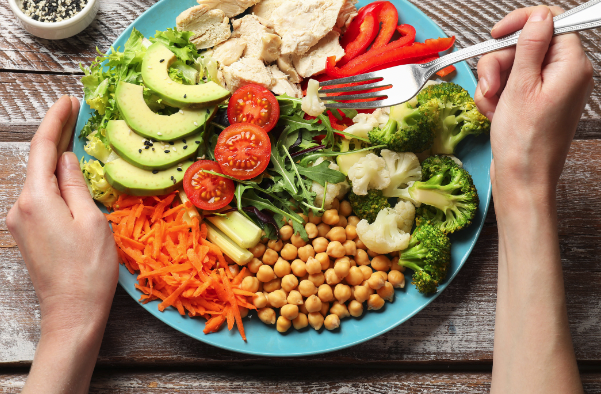
When it comes to healthy eating, most of us focus on what goes on the plate. More vegetables. Lean protein. Whole grains. Less added sugar.
But researchers are beginning to ask a different question: Does the order you eat those foods matter, too?
Surprisingly, the answer might be yes.
While food order isn’t a magic solution for weight loss or overall better health, a growing body of research suggests that eating certain foods before others may help improve blood sugar control, increase fullness and support better energy levels throughout the day.
Start With the Vegetables
If you’ve ever been told to “eat your vegetables first,” science may finally be catching up.
Research published in Diabetes Care found that people with Type 2 diabetes who ate vegetables and protein before carbohydrates experienced significantly smaller spikes in blood sugar and insulin after meals compared with eating carbohydrates first.
The idea is fairly straightforward. Fiber-rich vegetables slow the movement of food through the digestive system, which can reduce how quickly carbohydrates are broken down into glucose and absorbed into the bloodstream.
Even if you don’t have diabetes, avoiding dramatic blood sugar spikes may help reduce the afternoon energy crash many people experience after meals.
Protein Pulls Double Duty
Protein also plays an important role.
According to research published in Nutrients, protein helps promote satiety by stimulating hormones that signal fullness while slowing gastric emptying. In other words, eating protein earlier in a meal may help you feel satisfied sooner and potentially reduce overeating.
That doesn’t mean racing to finish your chicken before touching anything else. Rather, building meals around vegetables and protein before digging into bread, rice or pasta may offer metabolic benefits without changing what you’re eating.
Carbohydrates Still Have a Place
None of this means carbohydrates are the enemy.
Whole grains, fruit, beans and starchy vegetables provide fiber, vitamins and long-lasting energy. The key is understanding how they interact with the rest of the meal.
According to the American Diabetes Association, pairing carbohydrates with fiber, protein and healthy fats helps slow digestion and create a steadier rise in blood sugar compared with eating refined carbohydrates by themselves.
Think of it less as eliminating carbs and more as giving them some company.
What About Protein Timing?
You’ve probably heard athletes talk about eating protein immediately after a workout.
While post-exercise protein does support muscle repair, the International Society of Sports Nutrition says total daily protein intake is generally more important than consuming it at one exact moment. Spreading protein across meals may actually support muscle maintenance better than eating most of it at dinner.
For the average adult, consistency matters more than precision.
The Bottom Line
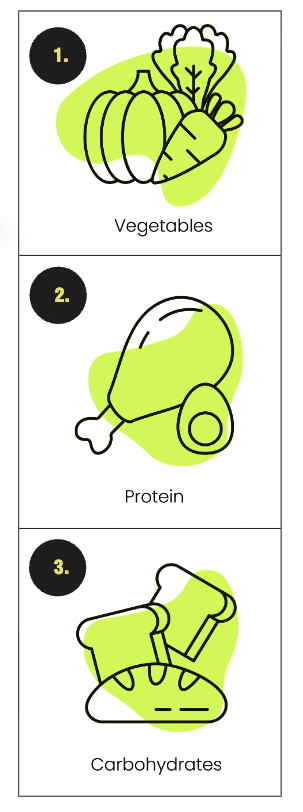
Nutrition is full of trends, but food order is one backed by growing scientific interest. Starting meals with vegetables, followed by protein and finishing with carbohydrates, may help improve blood sugar response and increase fullness, particularly for people managing diabetes or insulin resistance.
Still, researchers emphasize that food order is just one piece of the puzzle. According to the Academy of Nutrition and Dietetics, overall dietary patterns, regular physical activity, adequate sleep and long-term consistency have a far greater impact on health than the sequence of bites on your plate.
So, if eating your salad before your pasta feels natural, there may be more benefit than you realized. Just don’t lose sight of the bigger picture. A balanced plate will always matter more than a perfectly timed forkful.