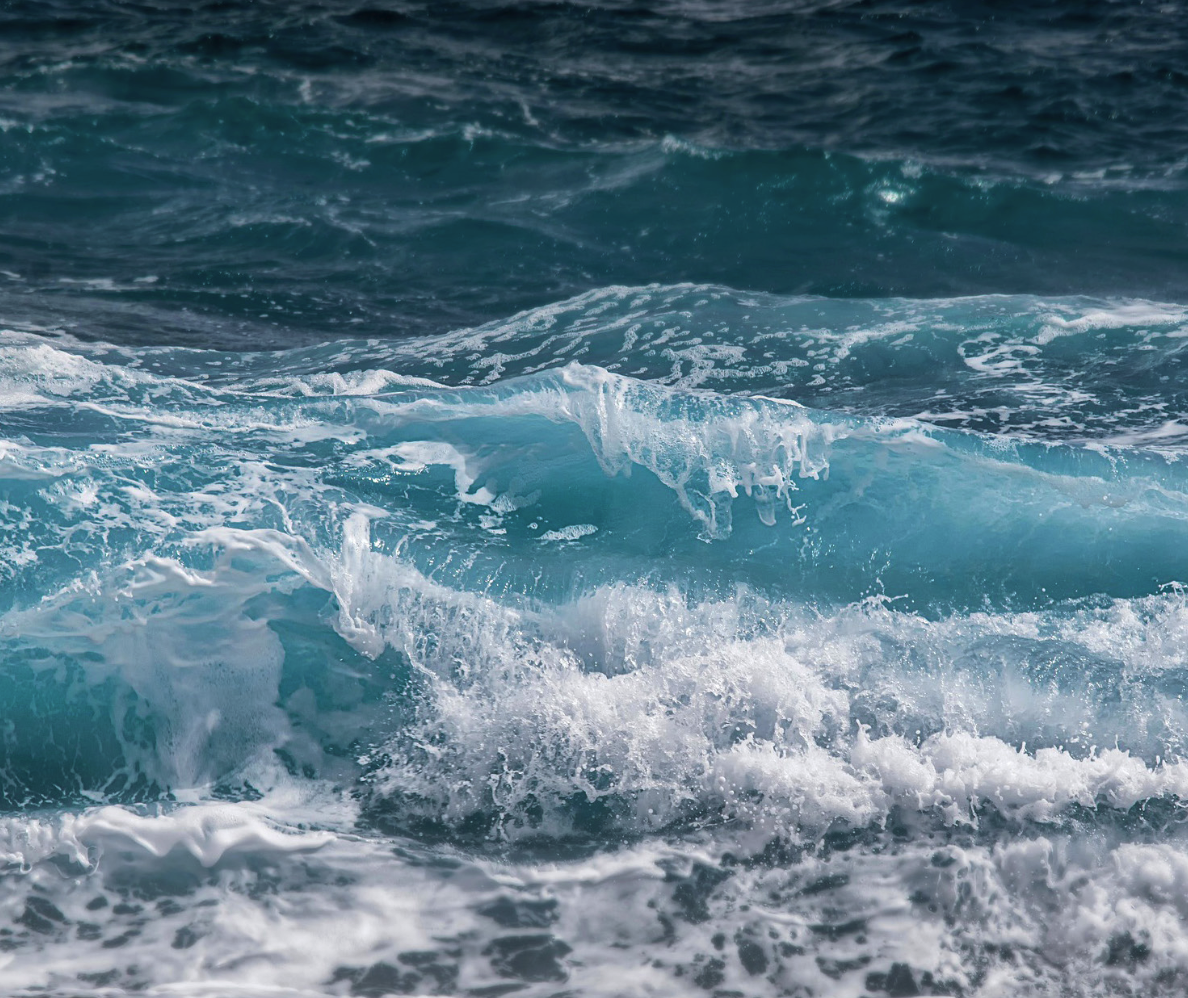
There is a reason so many people feel different near the ocean. The deeper breath. The better sleep. The mental reset that seems to arrive somewhere between hearing the waves and feeling salt in the air.
People have always described the beach as calming or therapeutic almost instinctively. Now, researchers say there may actually be science behind that feeling.
From air quality and sunlight exposure to the neurological effects of water itself, experts continue uncovering why a beach trip can positively impact mood, breathing, stress and overall well-being.
Why Ocean Air Feels Different
One of the biggest factors is simply the air itself. According to the American Lung Association, ocean air tends to contain fewer pollutants than dense urban environments, particularly away from heavily developed coastlines. Beaches also typically have higher air circulation, which can help disperse airborne irritants and improve perceived air freshness.
Salt in the air may play a role as well. Researchers have studied sea aerosol particles — tiny droplets of seawater carried through the air — for their potential respiratory effects. While ocean air is not a cure for respiratory conditions, some people report easier breathing and less irritation near the coast.
Humidity is also a factor. Dry air can aggravate our nasal passages and airways, while moist ocean air may feel gentler and more comfortable for some individuals.
The Psychology of “Blue Space”
Researchers have a term for environments centered around water: blue spaces.
Studies published in environmental psychology and public health journals have found links between proximity to water and improved mental well-being. According to research supported by the National Institutes of Health, spending time near oceans, lakes or rivers has been associated with lower stress levels and improved mood.
Part of that may come from how the brain responds to natural sensory input.
The rhythmic sound of waves, for example, can activate the parasympathetic nervous system — the body’s “rest and digest” mode associated with relaxation. Experts say repetitive natural sounds may help quiet mental overstimulation and promote a calmer emotional state.
In simpler terms: the ocean gives the brain less chaos to process.
Better Sleep Starts Earlier in the Day
Beach days also tend to include several habits linked to improved sleep. Exposure to natural sunlight helps regulate circadian rhythms, the body’s internal sleep-wake cycle.
According to the Sleep Foundation, sunlight exposure during the day supports melatonin production later at night, helping people fall asleep more naturally.
Physical movement matters too. Walking on sand requires more effort than walking on pavement, increasing muscle engagement and energy expenditure without necessarily feeling like formal exercise.
Then there’s the mental side of it.
Reduced stress and lower mental stimulation throughout the day can make it easier for the body to transition into restful sleep at night.
Many people think they sleep better at the beach because they are on vacation. Researchers say the environment itself may deserve some credit too.
Mental Clarity and Cognitive Reset
Modern life constantly competes for attention. Notifications, traffic, crowded schedules and screen exposure all place demands on the brain.
Natural environments appear to help counter some of that mental fatigue.
According to researchers in environmental health and cognitive science, time spent in nature may support attention restoration, allowing the brain to recover from prolonged periods of directed focus. Water environments in particular have been associated with mindfulness, reflection and reduced cognitive overload.
That feeling of mental clarity people often describe after sitting near the ocean may not be imaginary.
Why We Keep Returning to the Water
Scientists are still studying the full relationship between coastal environments and human health, but one thing is becoming increasingly clear: Beaches affect more than just our mood “in the moment.”
They encourage movement. They reduce sensory overload. They expose us to sunlight, fresh air and natural soundscapes that modern life often lacks. And perhaps most importantly, they slow us down.
No, the ocean is not a prescription. But the next time you feel calmer after a walk on the beach or notice yourself sleeping more deeply after a day by the water, understand this: your body and brain may be responding exactly the way nature intended.
Related Articles
How Often Should You Change Your Towel?
Why Are You Craving Certain Foods?