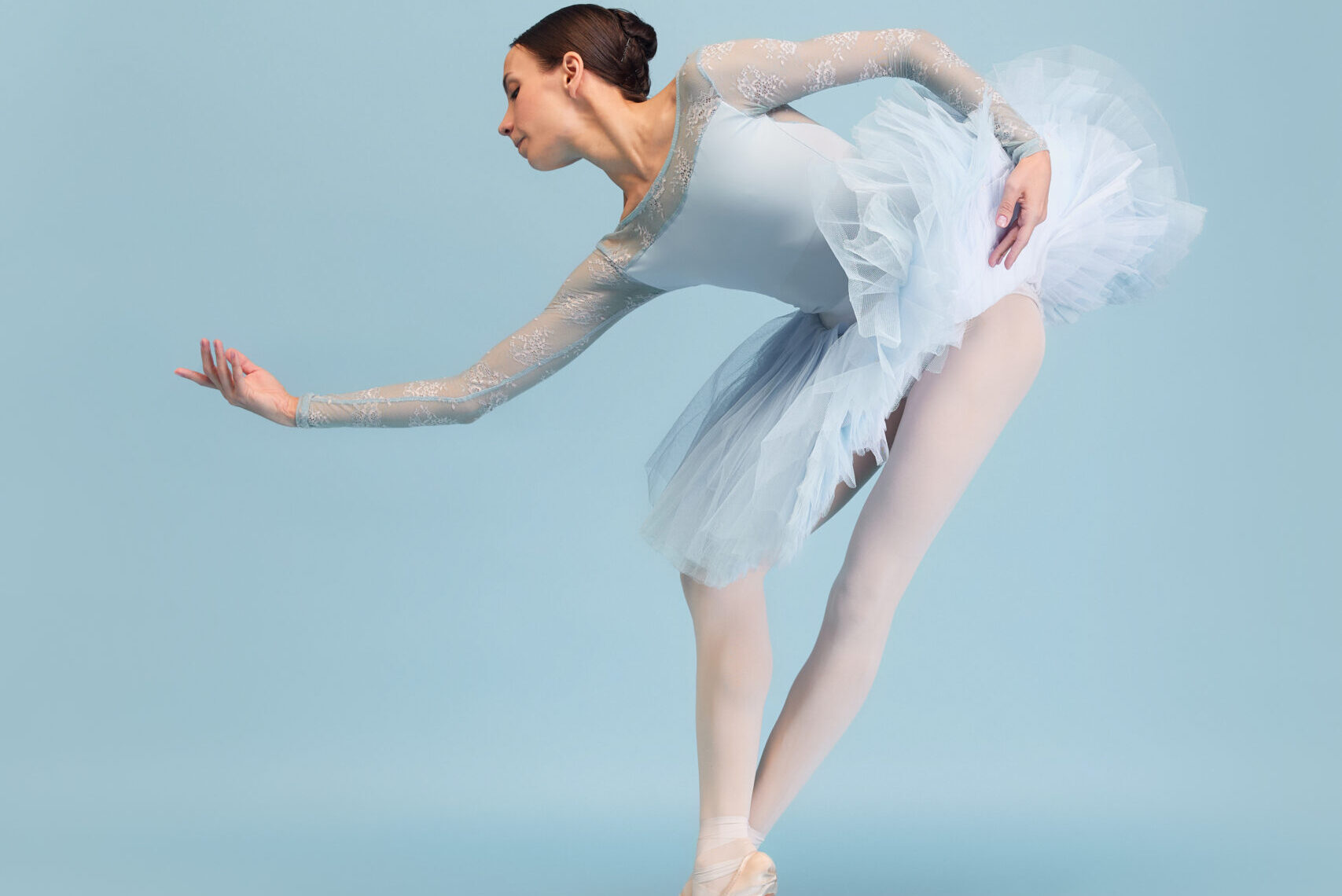
This is the moment — you finally scored concert tickets to see your favorite musical artist, yet when you get there, you’re more blown away by the performance than you are the singing. How do
performance artists train for their shows?
Performance artists such as singers, musicians, comedians, actors and dancers have jobs that are physically demanding. Besides honing their particular skill set, performers must be in good physical shape to withstand the grueling demands of performance. Long rehearsals, complex choreography, vocal demands and hours of standing can be physically and emotionally exhausting.
THE ATHLETICISM OF PERFORMANCE
In order to deliver a high-quality performance, artists train like elite athletes before getting in front of an audience. Performance often demands endurance, stamina, balance, muscular strength and physical and emotional resilience. Artists must train their bodies and minds before spending hours on stage to give an optimal performance.
Take Taylor Swift for instance — her “The Eras Tour” shows lasted around 3.5 hours! During those performances, Swift sings, dances and talks to the audience as well as plays the piano. In order to be prepared, Swift started her physical training six months prior to the start of the tour. Part of her training was to run on the treadmill every day while singing all 45 songs of the performance. She would run at a tempo to match the song she was singing and the entire performance equaled around 8 miles. If this wasn’t enough movement and intensity, there were also portions of the show when she would fly above the stage and execute speedy costume changes between songs.
STRENGTH TRAINING FOR ENHANCED PERFORMANCE
To build strength that supports artistic performance, creatives should focus on core stability and stamina. This will help reduce backache from prolonged periods of standing. It also assists with support and executing complicated movements. Plyometrics and power training helps with explosive moves and complicated routines. Strength training such as squats, deadlifts and shoulder presses can build a foundation of strength and muscular stamina that withstands the demands of performance. Finally, a mobility component helps with agility and staying fluid as well as preventing stiffness.
KEY BENEFITS OF PERFORMANCE STRENGTH TRAINING
ENHANCED ENDURANCE AND STAMINA
By training beforehand, artists can be in peak physical condition in order to finely execute their performance. Instead of worrying about being breathless, they can focus on hitting the right pitch.
IMPROVED MOVEMENT QUALITY
Strength training can prime the body to perform dynamic transitions and quick movements as well as maintain correct posture on stage — who wants to see a slumped comedian?
INJURY PREVENTION
Building strength slowly helps reduce injuries from performing with an untrained body. Having the strength and balance to delicately land a leap or lift a partner off the ground will make those movements safer and more impactful to the audience.
CONFIDENCE AND MENTAL RESILIENCE
A conditioned body helps the artist feel at ease on stage. The physical preparation allows artists to be confident in their performance ability.
Performance artists must not only train their skills but also their bodies for ultimate showcase ability. Not only does strength training help build muscular strength, but it also improves posture, stamina, confidence and reduces the risk of injury.
Related Articles:
Try These Different Workouts For Different Fitness Goals
Lagree Fitness: A Low Impact, High Intensity Workout