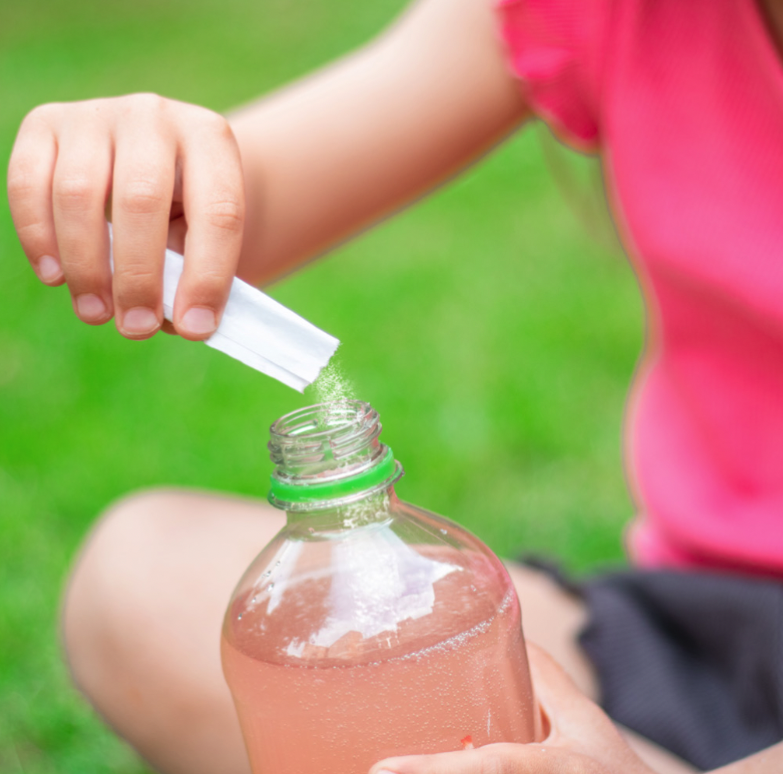
Current wellness trends suggest that everyone needs an electrolyte supplementation. Products are flooding the market promising better hydration, improved performance, energy and focus. While good hydration helps with everything from exercise to brain health, water, electrolytes and certain foods can help you achieve your goals.
Understanding when you need additional supplementation (and when you don’t) can help you hydrate smarter and more effectively.
What Are Electrolytes?
According to the American College of Sports Medicine (ACSM), electrolytes are minerals that carry an electrical charge and include sodium, potassium, magnesium, calcium and chloride.
Electrolytes are important in many body functions including regulating blood pressure and fluid balance, contracting muscles, maintaining a normal heart rhythm and transmitting nerve signals.
Hydrating Foods and Drinks
Nutrition.gov reports that 20% of daily fluid intake actually comes from food, not just from drinking glasses of water. Fruits and vegetables are key sources that provide great hydration, along with other vitamins, minerals and fiber. Some of the best food sources for hydration are watermelon, cucumber, lettuce, strawberries, oranges, tomatoes and celery.
Liquid hydration boosters include yogurt, milk, coconut water, broth and fruit-infused water. ACSM lists several foods that can help replace electrolytes after exercise, including pickles, olives, broth, jerky, cheese and crackers. These food sources can provide sufficient replenishment for most instances.
Signs of Dehydration
The National Institutes of Health (NIH) reports that approximately 60% to 70% of the human body is made of water. Water is an essential component of our body’s ecosystem, responsible for lubricating joints, regulating body temperature, transporting nutrients and removing waste. Each day we lose fluids through sweat, breathing and urination, so continual replacement of fluids is necessary.
While thirst is an obvious sign of dehydration, there are many other things that happen when our body is not ingesting enough fluids. Mild dehydration can also cause headaches, exhaustion, reduced athletic performance, dry mouth and darker colored urine.
In fact, the color of urine can often be a good indicator of hydration levels. Urine that is in the pale yellow to light gold range is ideal for proper hydration levels in most instances. Severe hydration can also lead to the inability to urinate, fainting, confusion and rapid heartbeat.
Do I Need Electrolyte Supplements?
According to ACSM, not everyone requires electrolyte supplementation — many people remain adequately hydrated through a healthy diet and water consumption. Individuals who can benefit from additional supplementation include:

Electrolyte supplements can be found in powders, gels, tablets, liquids and electrolyte-infused water. Some are ready to consume while others must be mixed with water. When choosing the right supplement, consider what type of solution works best and review ingredients to look for added sugar or other ingredients.
The good news is that hydration doesn’t have to be complicated. Focus on drinking sufficient amounts of water and consuming plenty of fruits and vegetables. Electrolyte supplementation should be reserved for instances when it’s appropriate, not necessarily a daily habit.
Listen to what your body needs. Pay attention to your thirst and your urine and fuel your body with whole foods and plenty of water.
Related Articles
5 Tips for Staying Hydrated This Summer
Summer’s Hidden Health Danger is Right on Your Table!