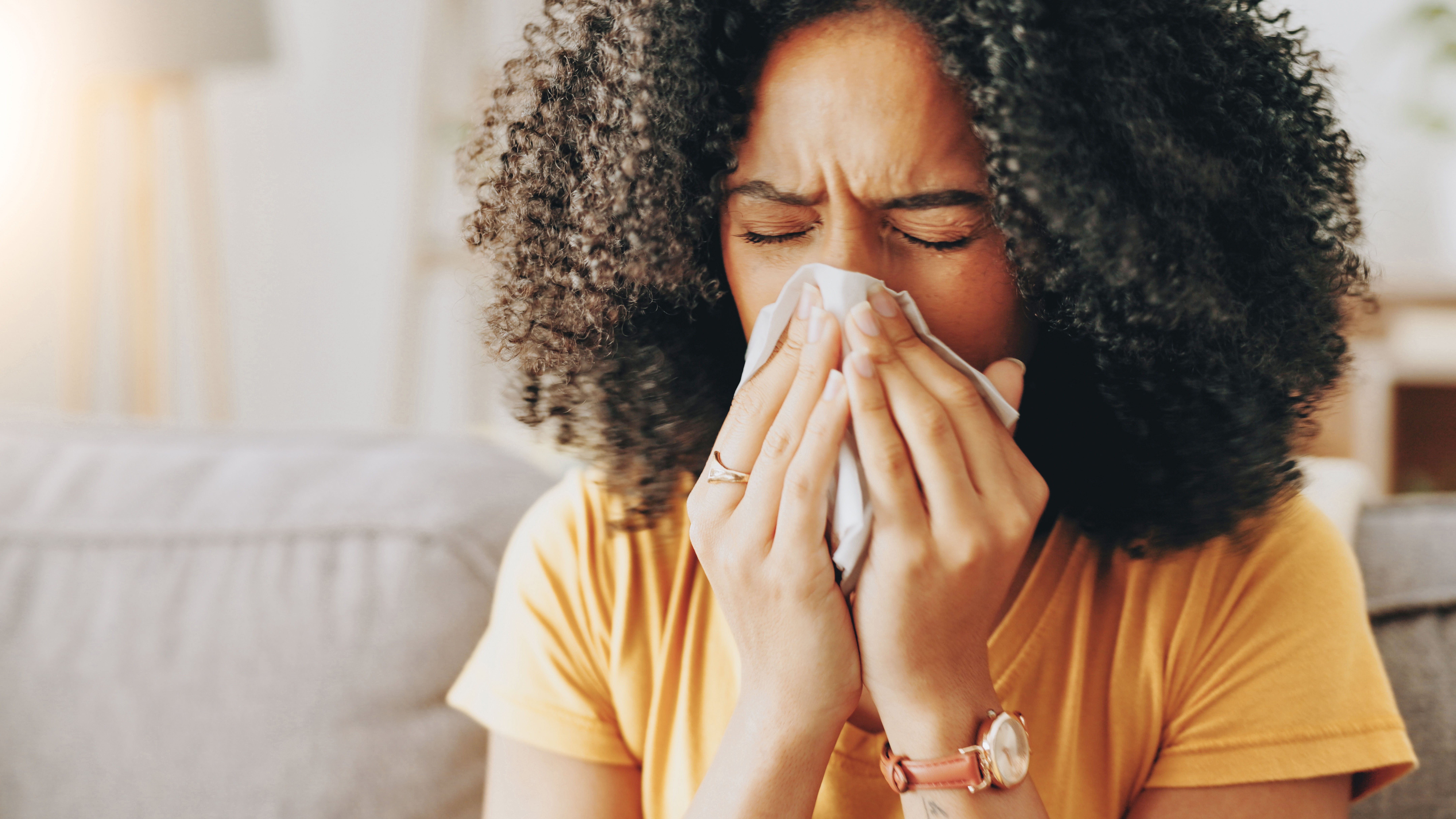
Americans spend approximately 90% of their time indoors, according to the United States Environmental Protection Agency (EPA), yet this space is often overlooked when it comes to promoting good health.
Silent Threat Gases
Gases are colorless, odorless, invisible substances that can creep into your home without your awareness. In particular, carbon monoxide and radon are common culprits that can cause illness such as headaches, dizziness and severe poisoning at high levels. Radon has also been shown to cause lung cancer. In Florida, most homeowners test for radon prior to home purchase, but you can have a radon test completed at any time. Installing carbon monoxide detectors inside your home can also help alert you if there is carbon monoxide present.
Mold, Dust and Other Allergens
Mold, dust, pet dander and other allergens are common indoor health concerns. They can cause respiratory irritation, asthma and allergies.
Florida is an ideal climate for mold growth and expansion due to high rainfall and moisture content in the air. Mold spores are present in nearly all indoor and outdoor spaces, according to the Florida Department of Health. The EPA warns that mold can grow as quickly as 24 to 48 hours with even minor moisture exposure, such as a leak or rain intrusion. The key to minimizing health impacts from mold is to maintain proper humidity levels indoors to prevent growth. The Florida Department of Health states that mold can multiply when humidity levels reach 60%, so they recommend keeping indoor humidity at 30% to 50% to prevent growth.
Dust mites and pet dander can also contribute to respiratory irritation.In order to minimize these factors in your home, vacuum and dust regularly, including surfaces where pets frequent. Wash all bedding and pet towels weekly in hot water to reduce allergens.
Everyday Products That Release Compounds
Clean doesn’t always mean healthy — many household items (including cleaning products) release volatile organic compounds (VOCs) into the air, causing a myriad of symptoms including headaches, respiratory irritation, dizziness and some potential long-term effects. VOCs can also be emitted from furniture, paint, air fresheners and personal care products. According to the EPA, indoor air can contain up to 10 times the level of VOCs found in outdoor air. To minimize these compounds indoors, avoid using synthetic sprays to cover odors and choose lowVOC and fragrance-free products.
Cooking, Cleaning and Candles
Even everyday healthy habits like cooking, cleaning and burning candles and incense can cause indoor air pollution. The EPA states that these activities add particles and gases to indoor air, increasing overall exposure. When cooking, use exhaust fans and proper ventilation, as well as lids, when feasible. While burning candles creates a pleasant ambiance and aroma, limit candle burning to prevent additional indoor air pollution.
Indoor air pollution can be a contributing factor to many short and long-term health concerns. The best way to mitigate exposure is frequent home ventilation — opening windows and doors and letting air circulate throughout the home. Minimizing fragrances and cooking emissions can also help reduce pollution. Testing for hidden toxic gases can help alert you of potential threats. Besides these steps to reduce indoor air pollution, spend more time outdoors — get outside, breathe in some fresh air and soak in the natural elements!
Related Articles
How to Keep the “Fresh” in Fresh Herbs and Produce
How to Keep Your Appliances CLEAN!