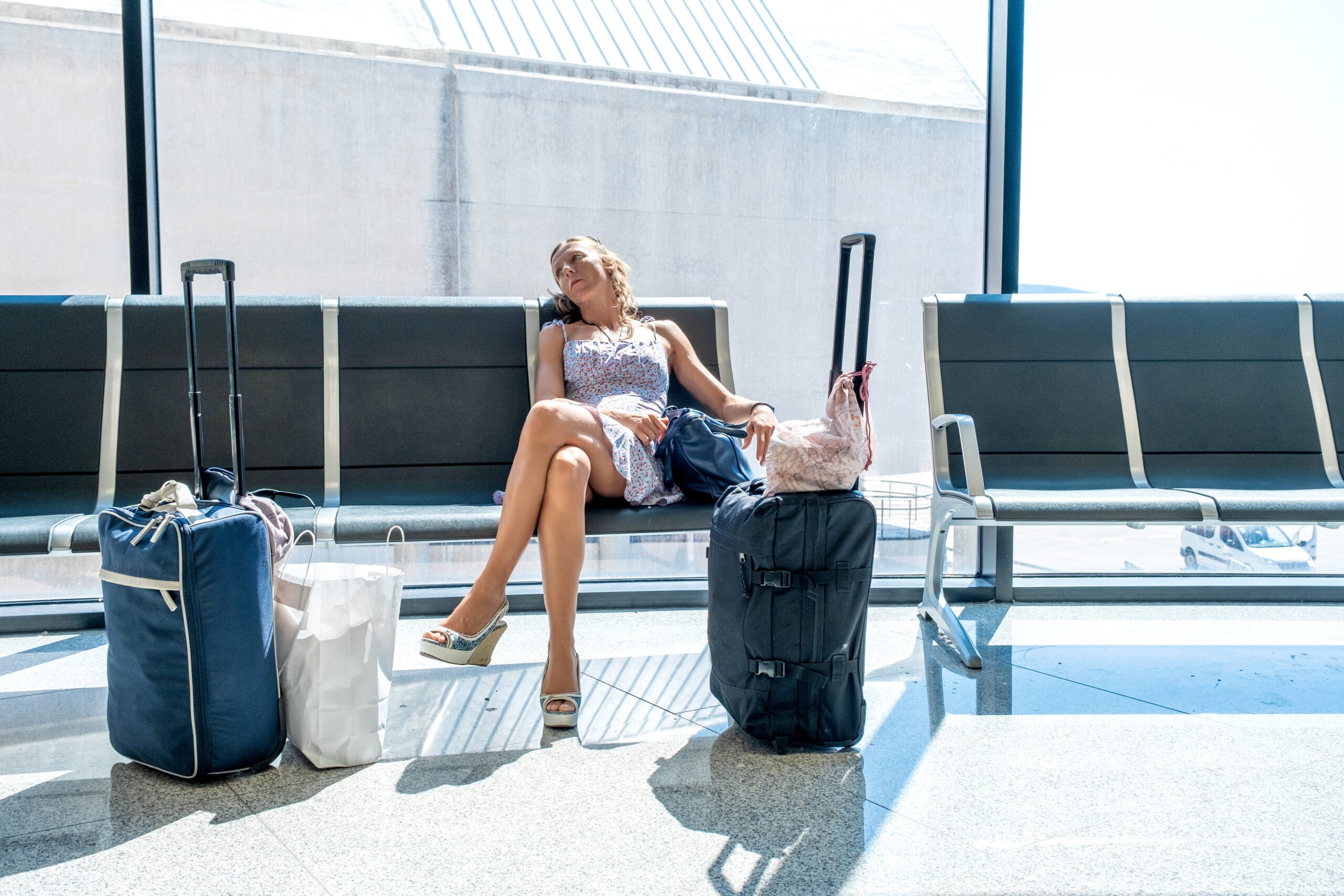
Whenever we travel far distances and across time zones, we are susceptible to suffering from jet lag. It can affect people in very different ways, but there are ways to combat it and lessen its impact when you are traveling.
Jet lag “is a disruption of the body’s circadian rhythm that occurs most commonly with plane travel across three or more time zones,” said the Sleep Foundation. It’s important to note that people can also experience jet lag from simply traveling even fewer time zones.
Circadian rhythm is our body’s internal clock that tells us when to be awake and when to fall asleep, according to the Mayo Clinic. Jet lag happens “because your body’s internal clock is synced to your original time zone. It hasn’t changed to the time zone of where you’ve traveled.”

According to the Sleep Foundation, eastward travel is harder on people than westward travel, and the more time zones crossed has more effects on the person.
There are several things that a traveler can do to lessen the effects of jet lag — before, during and after travel. The Centers for Disease Control and Prevention (CDC) recommends adjusting your sleep depending on where you are going.
“If traveling west, go to bed an hour or two later than usual; if traveling east, go to bed an hour or two earlier than usual,” the CDC recommends. “If you are traveling to a time zone that is more than three hours different than your normal time zone you should follow the sleep and waking routines of your destination when you arrive.”
The CDC also suggests eating smaller meals to prevent stomach disruption, avoiding alcohol and using caffeine sparingly, drinking plenty of water to beat dehydration, and taking small naps but keeping a regular sleep schedule.
According to the Mayo Clinic, “a key influence on circadian rhythms is sunlight. Light affects the regulation of melatonin, a hormone that helps cells throughout the body work together. Because light is so crucial to your internal clock, you may be able to ease your adjustment to a new time zone by exposing yourself to daylight.
After traveling west, expose yourself to light in the evening to help you adjust to a later than usual time zone. After traveling east, expose yourself to morning light to adapt to an earlier time zone.”
Medicine or sleep aids may assist you especially if your sleep patterns are off because of jet lag. Always consult with your health care provider before taking a sleep aid, especially because of travel. Share your itinerary with your provider, who may be able to recommend the correct method and can advise you on when and how to take any sleep aids.
The most important thing to remember is that everyone is different and experiences jet lag in varying degrees. “Every individual adjusts differently to a rapid time zone change, but working to reorient your circadian rhythm can reduce the chances that jet lag will negatively impact your trip,” said the Sleep Foundation.

Related Articles:
Health Insurance for Travelers
How to Stay Regular While Traveling