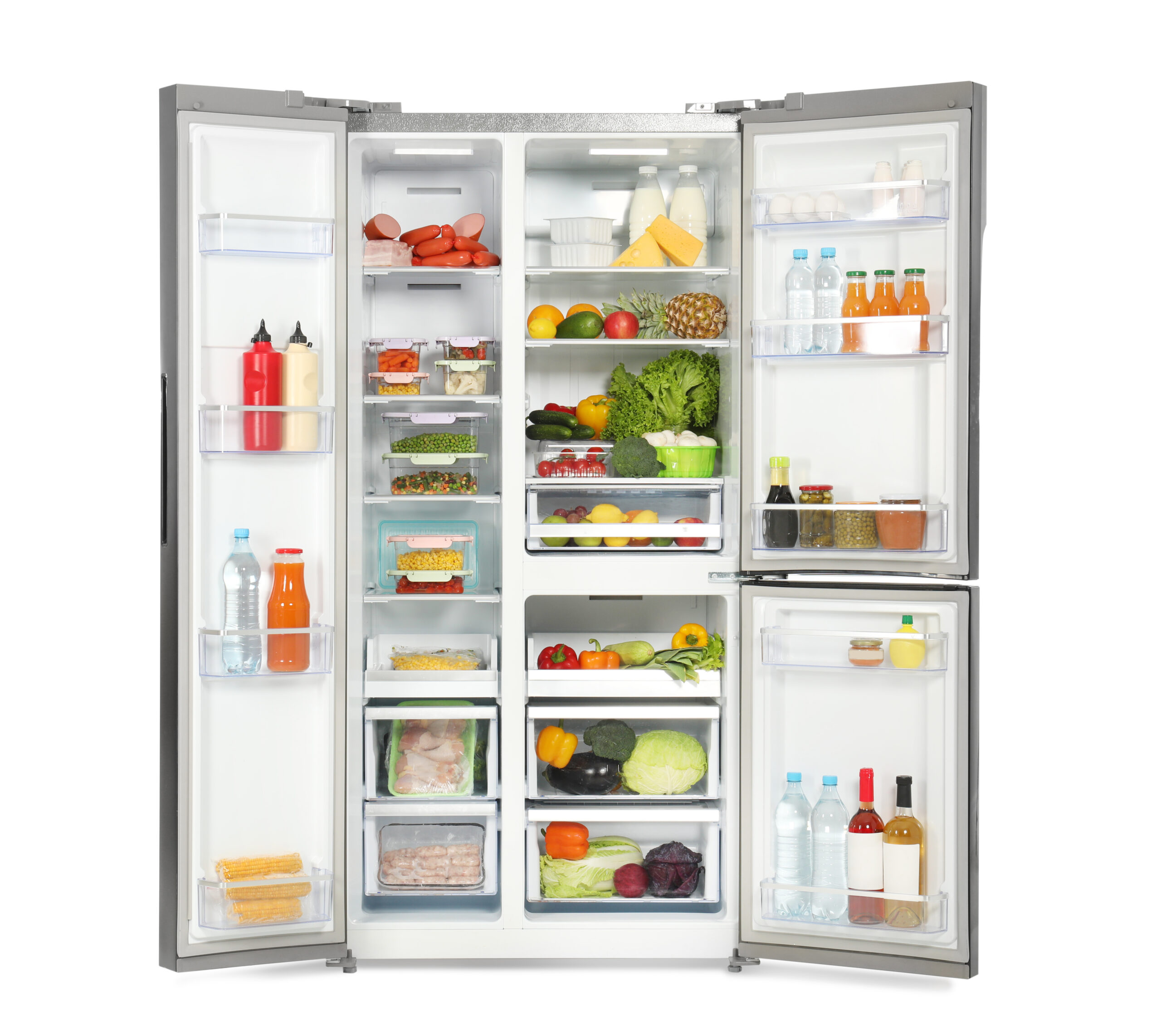
We’ve all been there: strawberries spotted with mold on the back refrigerator shelf, a mason jar full of some concoction you haven’t touched in months. Here is a step-by-step guide on how to efficiently clean out your refrigerator, so the next time you open that door, you’re welcomed by a colorful, organized display of food, not moldy and forgotten clutter.
Remove All Items From Your Refrigerator
To cover every nook and cranny of your fridge, remove all items, including non-perishables, and place them on a nearby counter or inside a cooler.
Check the expiration dates, smells and appearances of your food to ensure that there is no mold, expired items or meat and dairy that have gone bad.
Scrub the Fridge’s Interior with Soap and Warm Water
Combine warm water with dish soap and grab a clean rag, sponge or paper towel to wipe down the inside of the fridge, including all drawers, shelves and doors. Follow this by mixing 1 tablespoon of liquid bleach with 1 gallon of water to sanitize all surfaces, as recommended by the Centers for Disease Control.
But be wary when using bleach to clean your fridge. According to articles from Whirlpool and The Kitchn, it is advised not to use harsh cleaning supplies like Clorox, Lysol or bleach because they can contaminate food with toxic chemicals and damage the materials of the fridge itself.
For those with sensitive noses, Whirlpool recommends using a mixture of 2 tablespoons of baking soda and 1 cup of hot water to wipe down the inside of the refrigerator, preventing a residue of chemicals and irritating smells.
To clean inside those small crevices, such as the ridges in the produce bin, Whirlpool suggests using a disposable toothbrush to scrub off buildup.
If there is a collection of crumbs at the bottom of the fridge or on its shelves, a handheld vacuum can be used to remove them.
Don’t forget to unplug the fridge and wipe down its drip pan and condenser coil, which is often one of the most overlooked places in the kitchen to clean, according to an article from Real Simple.
What Should I Do If I Find Mold Inside My Fridge While Cleaning?
After disposing of the molded items from your refrigerator, fill a spray bottle with distilled white vinegar and spray all sections of the fridge, including the mold. According to a TheKitchn article, allow the vinegar to sit on the mold for a couple of minutes before wiping it with a damp cloth or paper towel. Repeat until the mold is removed.
For extra precaution, place an open container of baking soda or lemon wedges inside the fridge to achieve a deodorizing effect and prevent foul odors, as recommended in the article.
Neatly Organize Your Food
To efficiently organize your fridge, start by separating all items into similar food groups: meats, eggs, cheese, vegetables, fruits and Tupperware leftovers or meal prep containers.
Designate each section of the fridge for a specific food group, and place your items in a way that makes it easy to grab. For example, if you use cream cheese every morning, place that in front of the shredded cheese that you maybe only use for the occasional taco night.
You can also organize your sections by refrigerator temperature. According to an AARP article, the fridge door is the warmest area, and the back of the fridge is the coldest. This makes the door the best location for items least likely to spoil, such as ketchup, and the back of the fridge for items like dairy and eggs, as suggested by AARP.
It is also recommended to purchase clear bins, which can be found at Target, Walmart, the dollar store or on Amazon, to create a more aesthetically pleasing fridge.
When you are struggling to find the motivation to clean out your fridge, remind yourself that the 10- to 30-minute task could improve your productivity and time management. Whether you are inviting friends over for dinner, rushing to grab a snack before work or planning a relaxing night of cooking, a clean and organized fridge prevents embarrassment and makes your life faster and stress-free.