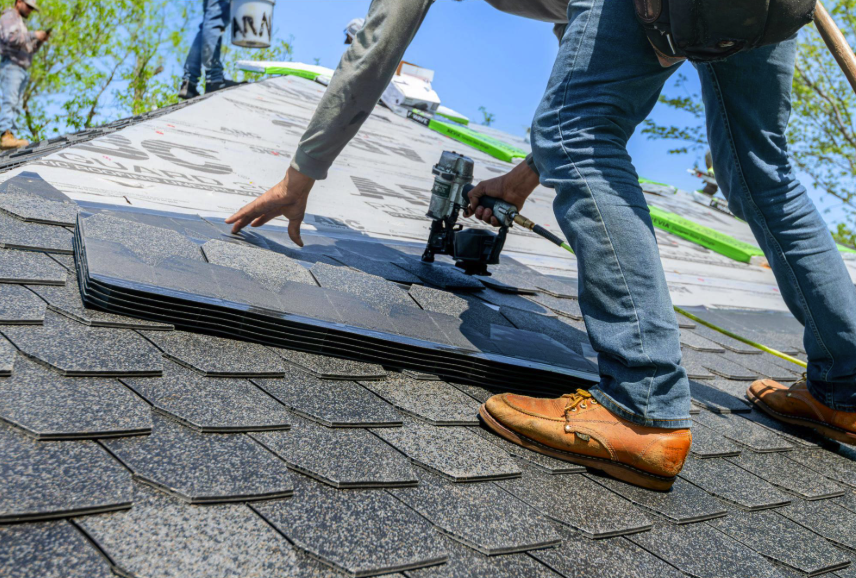
For most homeowners, the roof is easy to forget … until there’s a leak, a storm or an insurance notice that suddenly brings it into focus. But in Florida, where heat, humidity and hurricanes are part of life, your roof is more than just a finishing touch. It’s one of the most important (and oftentimes, expensive) parts of your home.
Understanding what type of roof you have, how long it should last and when it may need replacing can help you avoid costly surprises, especially when insurance is involved.
When Should You Replace a Roof?
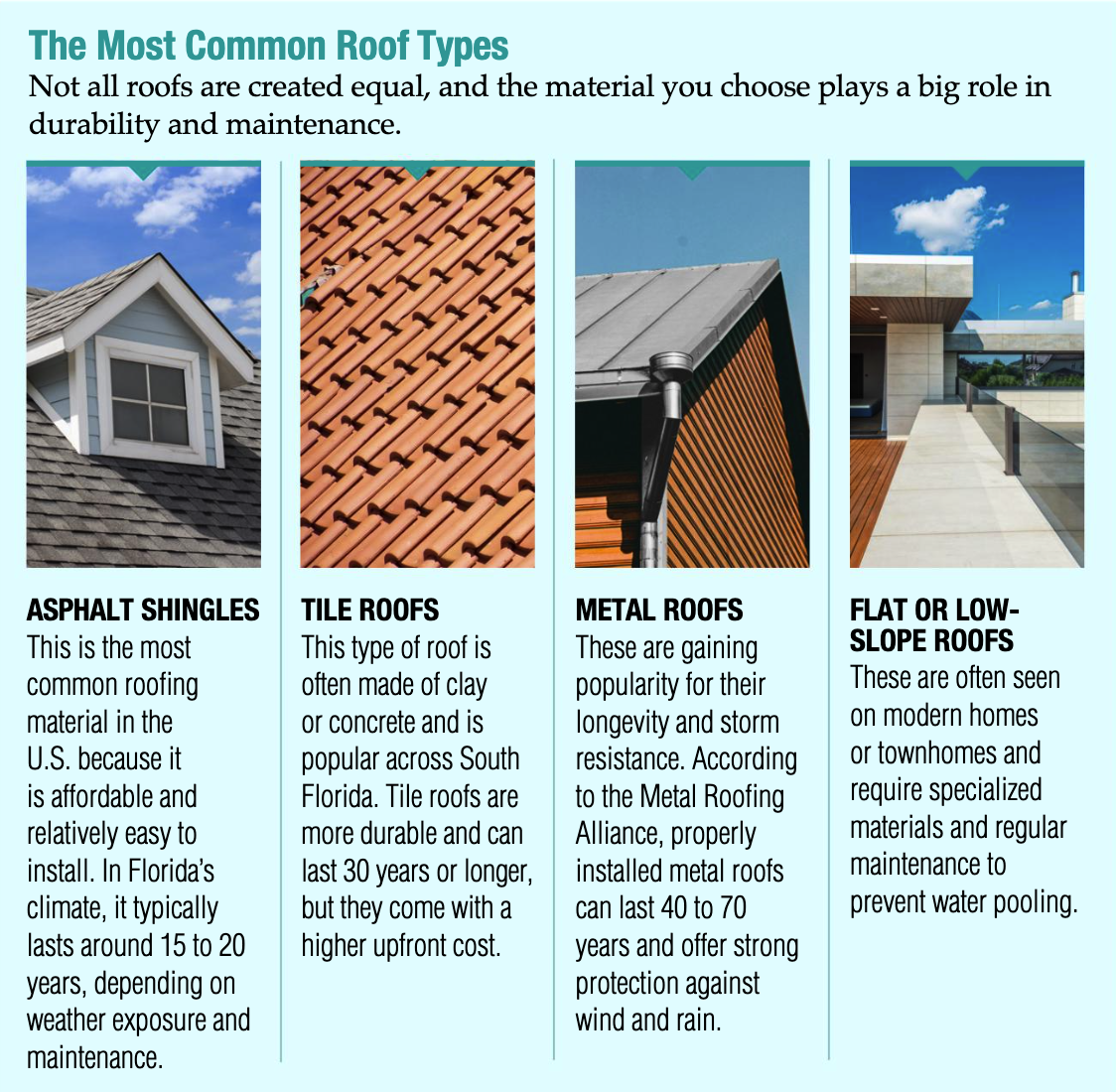
In theory, a roof should be replaced when it reaches the end of its useful life or shows signs of failure. But in Florida, insurance requirements are increasingly influencing that timeline.
“In Florida, many insurance companies require homeowners to replace their shingle roofs every 15 years — even when the roof may still have several years of life remaining,” says Alex Lawrence of Brehm Roofing & Restoration. “One issue with waiting too long to replace your roof is that your insurance company may choose to drop your coverage altogether.”
That means homeowners are often making replacement decisions based not just on condition, but on insurability.
Warning Signs to Watch For
Even if your roof hasn’t hit a specific age, there are signs it may be time to take a closer look.
According to the National Association of Home Builders, common red flags include missing or curling shingles, granules collecting in gutters, water stains on ceilings and visible sagging. After major storms, it’s also important to check for damage that may not be immediately obvious.
Regular inspections, especially in hurricane-prone areas, can help catch small issues before they become major repairs.
How Insurance Is Changing the Conversation
Florida’s insurance market has shifted significantly in recent years, with carriers becoming more strict about roof age and condition. Many insurers now limit or deny coverage for older roofs, particularly asphalt shingles, due to the higher risk of storm damage.
That’s why some homeowners are replacing roofs earlier than expected. Not because the roof has failed, but because coverage depends on it.
Lawrence notes that there are ways to offset some of these costs over time. “We recognize the cost of homeowners’ insurance continues to increase, so at Brehm Roofing, one of the things we show homeowners is how to reduce their insurance premiums as much as possible,” he says. “We do this by adding a secondary water-resistant barrier such as seam tape or a peel-and-stick underlayment before installing new shingles.”
According to the Florida Office of Insurance Regulation, certain upgrades that improve a home’s wind resistance may qualify for insurance discounts, making proactive improvements a strategic decision rather than just a reactive one.
Planning Ahead
Roof replacement is one of the larger expenses homeowners face, but it doesn’t have to be a surprise. Knowing your roof’s age, understanding your insurance requirements and scheduling inspections can help you plan ahead financially.
In Florida, especially, your roof isn’t just about curb appeal; it’s tied directly to your home’s protection and your ability to stay insured.
And while it may not be the most exciting part of homeownership, keeping an eye on what’s over your head can save you from major headaches down the road.
Related Articles
HOA 101: What Homeowners Associations Actually Do