

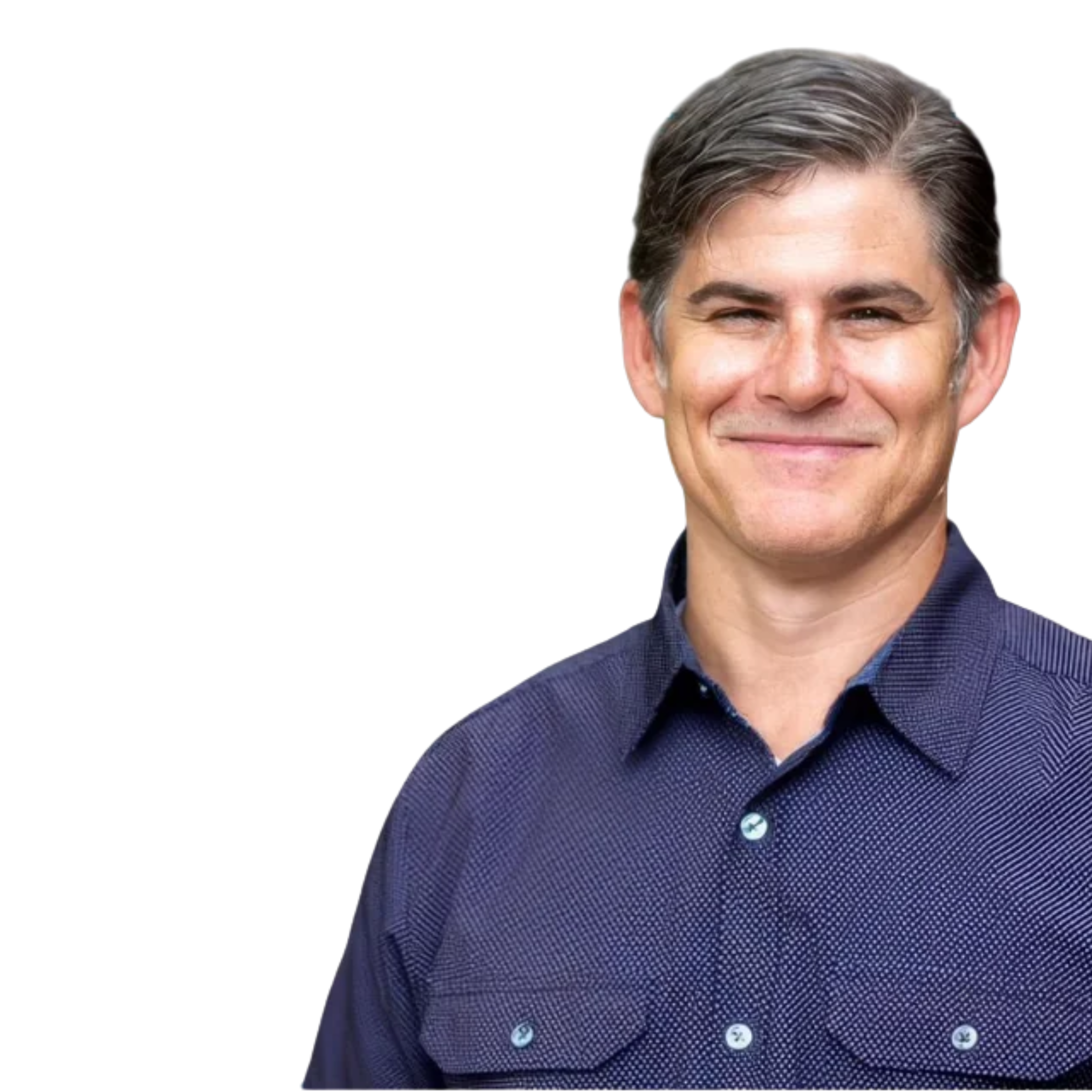
David R. West, D.C., C.C.S.P.
Dr. West was born and raised in Florida. He attended the University of Florida on a diving scholarship and graduated in 1997. He followed in his family’s footsteps and graduated from Palmer College of Chiropractic in Davenport, Iowa, as valedictorian in 2000.
As a fourth-generation chiropractor, Dr. West opened West Family Chiropractic in 2002. He earned his Certified Chiropractic Sports Physician (CCSP) degree in 2005. Dr. West has worked with athletes from almost every sport and has been on the consultation staff at the University of Florida Athletic Association for over 20 years.
What exactly is sports chiropractic, and how does it differ from traditional chiropractic care?
Traditional chiropractic care aims to optimize the biomechanics of the human body by removing functional limitations and maximizing the expression of the nervous system. Sports chiropractic takes this a step further by focusing on sports-related injuries, maximizing recovery, optimizing body function and helping get the most out of your movement strategies. Also, I believe sports chiropractors work more with extremities overall and may have more focus on functional movement than just on alleviating back or neck pain.
Can regular chiropractic care help prevent sports injuries before they happen? If so, how?
Injury prevention is a tricky subject. I believe if the body is moving and functioning optimally and you’re pushing its limits, injuries can still occur. But if someone takes care of their body and is more aware of how they move, I believe injuries can be less frequent. It is multi-factorial and complicated based on previous injuries, type of sport and overall health of the athlete. That is where educating patients on general health, sleep, diet and movement can all be critical to injury prevention.
What are some of the most common sports-related injuries or conditions you treat in your practice?
We see the standard back pain and headaches but also extremity injuries such as shoulder and hip injuries, as well as plantar fasciitis all the way up to tennis elbow. We have tools in the office, including a Class IV laser, radial pulsed shockwave therapy and various modalities, which can help many soft tissue and joint injuries heal quicker and more efficiently.
How can chiropractic care help improve an athlete’s mobility, flexibility and overall performance?
I believe this is where sports chiropractic shines. It is our ultimate goal to help the body move as efficiently as it was meant to and achieve the best and cleanest function we can. I often use the analogy of fine-tuning a sports car. You can’t have your Ferrari out of alignment; you won’t be able to optimize!
Do you have to be a competitive athlete to benefit from sports chiropractic, or can recreational athletes and weekend warriors benefit too?
I think we are all athletes to some degree, and when we challenge ourselves or push our limits, we can suffer an injury or limitation. At West Family Chiropractic, we treat all of our patients to optimize their healing and get them back to the activities they love doing as soon as possible. This could be mowing the lawn or getting back on the pickleball court.
How does proper spinal alignment affect strength, balance, coordination and athletic performance?
Alignment is a buzzword these days. It encompasses many perceptions of health, balance and optimal function. I believe that true alignment is when you are in balance within your body and how it relates and responds to your environment. Proper spinal alignment, to me, means optimal function and homeostasis, and that is when we have our best reactions and athletic performance.
When an athlete experiences an injury, how do you determine whether chiropractic treatment is appropriate or if they should see another medical specialist?
Great question. We work closely with a team of other medical professionals daily. This includes, but is not limited to, orthopedists, acupuncturists, physical therapists and massage therapists.
What role can sports chiropractic play in recovery after a strenuous workout, competition or race?
The chiropractic adjustment can sometimes be viewed as a “tune-up” of the system after it has been challenged by, let’s say, an endurance race or just overdoing it in the yard. When we exceed our daily limits, our systems can “overdo it,” and we are left with some strain on the system. This is one reason to come in for an adjustment.
We offer massage therapy, spinal decompression, various Normatec tissue compression devices, as well as ice, heat and vibration therapies to speed recovery from performance, injury or surgery. We also have a full-body 5-wavelength red-light bed, the Summus Vita Bed, which has the benefits of stimulating healing and recovery. I see red light therapy as recharging your cellular batteries, stimulating cellular energy and tissue repair. We are working on a recovery room as well, and that will have options like Normatec.
Are there certain sports — such as running, golf, tennis, pickleball, cycling or weightlifting — that tend to create specific chiropractic concerns?
We tend to see patterns of stress on the body with certain athletic events. Whether it be a gymnast who is dealing with some lower back stress or a runner who has hamstring issues. Our goal is to work with movement strategies to allow for more efficient movement and take stress off injured tissues. An example would be a restricted ankle that’s not functioning properly, loading the hamstring prematurely, and making it vulnerable to injury just because there’s dysfunction or fixation in the ankle.
What are some signs athletes may be ignoring that indicate their body could benefit from chiropractic care?
When they feel off. Of course, pain is a big motivator for change, but just feeling off is what I often hear.
Beyond adjustments, what other treatments, exercises or techniques might a sports chiropractor use to help athletes recover and perform at their best?
I believe it’s all about taking care of their bodies, making sure they’re getting great nutrition and adequate sleep. We use modalities such as laser and shockwave as well as soft tissue techniques like Graston and fascial release. In the near future, we will be incorporating a recovery room with Hyperice therapies like the Normatec compression system, Nice1 cold compression therapy and various treatment recovery modalities.
What advice would you give athletes of all ages who want to stay active, avoid injury and keep their bodies performing well for years to come?
Listen to your body, get to know it well and treat it like it can never be replaced. Maintain a healthy lifestyle and get adjusted. Movement is life — if you’re not moving, you’re dying.

*this is a paid advertisement*

