
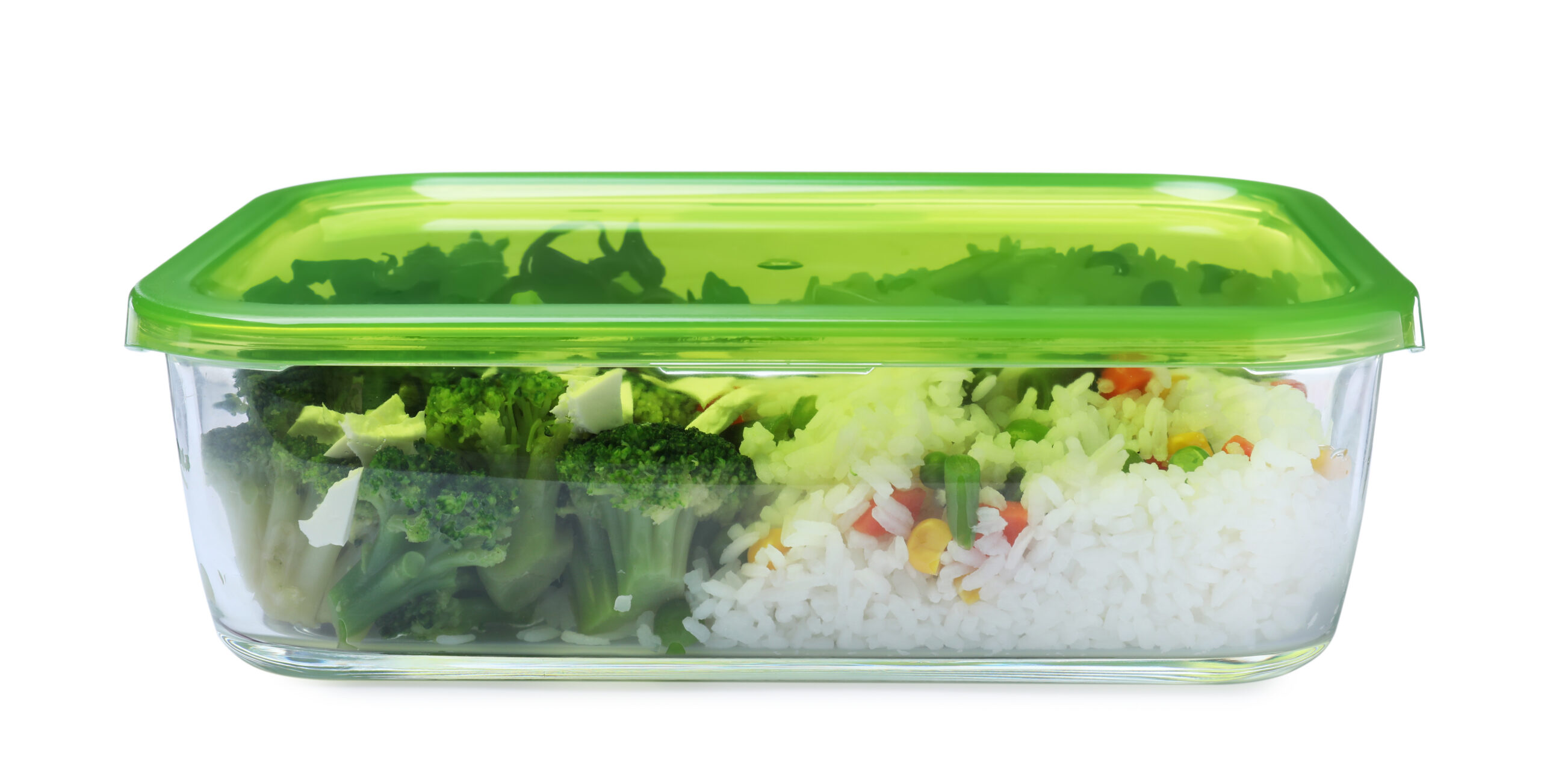
We’ve all had that moment when we look in the fridge for something to eat, sliding the milk aside and rediscovering the leftovers that we had from last week. And then we wondered if they were still edible — or if they might be better off just getting tossed in the trash.
It might happen more often than you think — your leftovers carefully packaged and then discarded without a second thought. The whole situation seems like a guessing game. But maybe it doesn’t have to be.
The Fridge Life of Your Food
According to Mayo Clinic, food can be kept in the fridge for 3 to 4 days, after which, the risk of bacteria growth and food poisoning begins to increase. Frozen leftovers can be kept for a long time, but Mayo Clinic recommends eating them within 3 to 4 months to maximize quality.
While 3 to 4 days is a general standard, best practices can vary based on the ingredients in your leftovers. The most recent edition of the Food and Drug Administration (FDA) Food Code states that prepared food should be eaten or discarded after a maximum of one week from the date of preparation.
Beyond the recommended timeline, the FDA states that bacteria like Salmonella, E. coli and C. botulinum can become a risk and lead to botulism, which can cause paralysis and death. Following best practices for food safety is extremely important and can help ensure the safety of you and your family.
How to Maximize Your Leftovers
According to the U.S. Department of Agriculture (USDA) Food Safety and Inspection Service, leftovers should be stored in the fridge at or below 40 F, but there are additional ways to increase the safety of your leftovers.
- COOK FOOD PROPERLY AT HOME: When cooking, use a thermometer to ensure that red meats reach an internal temperature of 145 F, ground beef reaches a temperature of 160 F and poultry reaches a temperature of 165 F.
- PACKAGE AND STORE FOOD EARLY: The risk of bacteria greatly increases while food is left between 40 F and 140 F. “Within 2 hours of cooking food or after it is removed from an appliance keeping it warm, leftovers must be refrigerated.”
- PACKAGE LEFTOVERS PROPERLY: Ensure leftovers are packaged properly in an airtight bag or container. Hot foods should also be allowed to cool as quickly as possible, so a shallow container is best.
- THAW AND REHEAT FOOD SAFELY: Frozen food should be thawed overnight in the fridge in cold water or in the microwave. Avoid letting it thaw on the counter. Leftovers should be reheated to 165 F and should only be reheated once. Do your best to take out only the food you will eat in one sitting, as multiple heating and cooling cycles can increase risk.
Rethinking Your Leftover Game
Rethinking the idea of leftovers can help you maintain the integrity of your food and prevent you from having to throw it away. One way is to treat leftovers like meal-prep rather than uneaten food. Portioning food into to-go containers can make the next day’s lunch or dinner that much easier, giving you peace of mind about your schedule and what you’re eating. Silicone ice-cube trays double as a way to prolong the life of your leftovers and help you portion them later. Many brands make trays with larger blocks specifically designed for food. Foods like rice, beans, soup or broth, veggies, pasta sauce, minced garlic and more are great options to freeze in silicone trays and reheat.
Whether you’re already at the top of your leftover game or you learned something new, hopefully this was a good reminder that leftovers are great and don’t have to be something that makes you shudder rather than something to look forward to. Now, get back out there and make something great!
For more specifics, check out the fridge life of your favorite leftovers below!
Raw Sushi: 24 hours
Cooked Meats: 3-4 days
Salad With Dressing: 1-2 days
Pasta/Potato Salad: 3-5 days
Deli Meat: 3-5 days after opening
Shredded/Sliced Cheese: 5-7 days after opening
Pasta: 3-5 days
Cut Fruit: 3-5 days
Rotisserie Chicken: 3-4 days
Cooked Vegetables: 3-4 days
Pasta Sauce: 5-7 days
Broth-Based Soups: 3-4 days
Guacamole: 1-3 days
Pizza: 3-4 days
Burritos/Tacos: 2-3 days
Relevant Articles:
How to Properly Clean and Organize Your Fridge
How to Keep Your Appliances CLEAN!

