
A headache is a headache, right? Not quite.
Some feel like a tight band wrapped around your head. Others throb, make you nauseated or send you searching for the darkest, quietest room in the house. And then there are the headaches that seem to show up around your eyes, temples or sinuses and leave you wondering what exactly is going on.
Knowing what kind of headache you’re dealing with can help you figure out what may bring relief — and when it’s time to call a doctor.
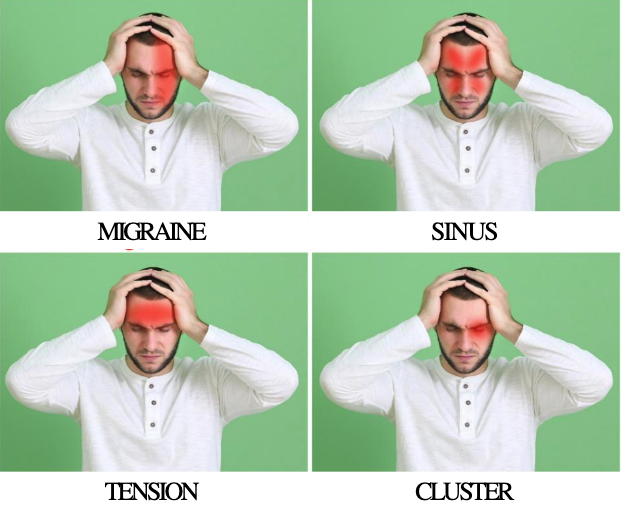
Tension Headaches
These are the classic “too much going on” headaches. Tension-type headaches are the most common type and often feel like pressure, tightness or squeezing on both sides of the head. Stress, muscle tension and fatigue can play a role.
For occasional tension headaches, rest, hydration and over-the-counter pain relievers may help. Gentle stretching or relaxation can also be useful, particularly if neck or muscle tension is contributing to the pain.
Migraine
A migraine is more than a bad headache. It is a neurological condition that can cause throbbing or pulsing pain, often on one side of the head, along with nausea and sensitivity to light or sound.
Some people experience an aura before or during a migraine. This can include seeing flashing lights or zigzag patterns, tingling, numbness or temporary difficulty speaking.
Treatment varies, but getting into a dark, quiet room, resting and using medications recommended by your health care provider can help. People who experience frequent or severe migraines may benefit from a personalized treatment plan.
Cluster Headaches
Cluster headaches are rare but extremely painful. They typically cause intense pain on one side of the head, often around or behind one eye. Attacks can last 15 minutes to three hours and may happen several times a day during a cluster period.
Unlike someone with a migraine, a person experiencing a cluster headache may feel restless or unable to sit still. The affected eye may also become red or watery, while the same-side nostril can become stuffy or runny.
These headaches generally require medical treatment, so talk with a health care provider or headache specialist if you suspect you’re experiencing them.
Is It Really a Sinus Headache?
Sometimes a headache comes with facial pressure, congestion or a runny nose and seems like an obvious sinus problem. But don’t assume.
The American Migraine Foundation notes that many people who believe they have sinus headaches actually have migraines. True sinus-related headaches are generally accompanied by other signs of sinus infection or inflammation, such as congestion, fever or colored nasal discharge.
What Not to Do
Don’t keep reaching for pain medication every time your head hurts without paying attention to how often you’re taking it. Frequent use of certain headache medications can actually contribute to medication-overuse headaches.
Also, don’t ignore a pattern that’s becoming more frequent, severe or disruptive. Keeping a simple headache diary can help you and your doctor identify possible triggers and patterns.
When to Get Help
Most headaches aren’t caused by a serious medical condition, but some require immediate attention.
Seek emergency care for a sudden, severe headache that reaches maximum intensity within minutes, particularly if it’s the worst headache you’ve experienced. You should also seek immediate care if a headache comes with confusion, fainting, weakness or numbness, trouble speaking or seeing, a stiff neck, a high fever or follows a head injury.
For headaches that keep coming back, become more severe or interfere with sleep, work or everyday activities, make an appointment with your health care provider. You don’t have to simply learn to live with the pain.