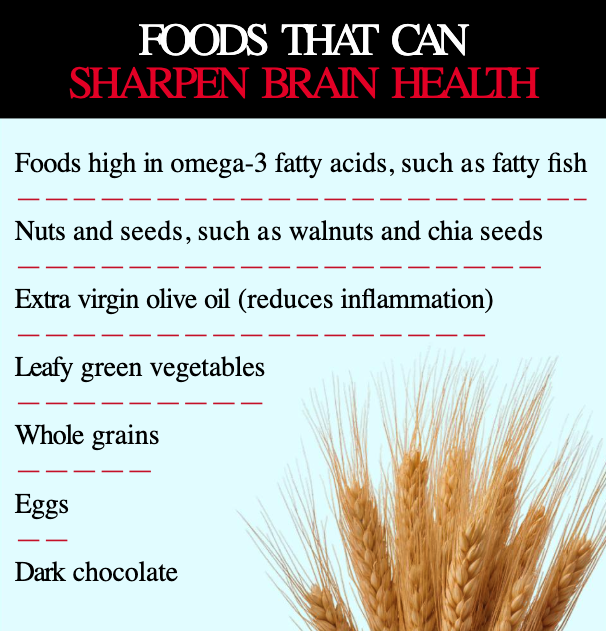
Brain health shapes nearly every part of your daily life. It affects how well you focus, how good you feel, how much energy you have and how well your memory holds up as you age.
But you can play an active role in your brain health. Just like your body, your brain can be exercised, which can also lower the risk of dementia and age-related cognitive decline.
Here are four ways that can help maintain and strengthen your brain health so you can feel and think better.
1. Find and Maintain a Sense of Purpose
Having a sense of purpose in life is linked to greater brain resilience, a later onset of dementia and a lower risk of developing it, according to Aliza Wingo of the UC Davis Department of Psychiatry and Behavioral Sciences.
That sense of purpose can come from work, volunteering, spirituality or faith, personal goals, helping others or supportive relationships, as stated in an article from the department.
Research also shows that people with a stronger sense of purpose are more likely to experience slower cognitive decline than those with a weaker one.
2. Routine Dental Cleanings
Recent studies show that dental health is associated with long-term brain health.
According to the Fisher Center for Alzheimer’s Research Foundation, one study in Japan found that gum disease and tooth loss were associated with shrinkage of the hippocampus, the memory-related brain region that is among the first to be damaged in Alzheimer’s disease.
Other large studies similarly show that severe gum disease is associated with a higher risk of dementia. However, the foundation notes that this is an association, not a confirmed cause-and-effect relationship.
Some studies also state that bacteria and inflammation from the mouth may reach the brain, causing damage that could raise the risk of dementia and memory problems like issues with recollection and brain fog.
3. Treat Hearing Loss and Practice Preventive Measures Early
Research from Johns Hopkins shows that hearing loss is associated with dementia. In one study, according to an article from Johns Hopkins Medicine, experts found that mild hearing loss doubled dementia risk, moderate loss tripled it and severe loss made individuals five times more likely to develop dementia.
Hearing loss is also associated with difficulty walking, poor coordination, brain fog, fatigue and trouble concentrating.
So it’s worth taking care of your hearing health early on, such as avoiding or taking precautionary measures when listening to very loud music and keeping headphone volume at a safe level. If you notice any hearing issues, get them checked and learn about hearing aids.
4. Learning New Skills
While it may seem like a given, learning new skills and practicing new things helps exercise your brain. Your brain is often compared to a muscle: using different parts of it through activities like problem-solving and learning helps strengthen it and maintain its long-term health.
Research shows that activities that require multiple areas of the brain to work together, such as learning to play an instrument, practicing a new language or juggling, can help sharpen and strengthen the brain.
According to the Fisher Center for Alzheimer’s Research Foundation and research published in the National Library of Medicine, playing an instrument engages and strengthens the motor, visual, auditory and cognitive regions of the brain at the same time, which may help protect against age-related cognitive decline. Similarly, learning a new language helps strengthen memory, attention control and problem-solving by using pathways in both the frontal and temporal lobes.