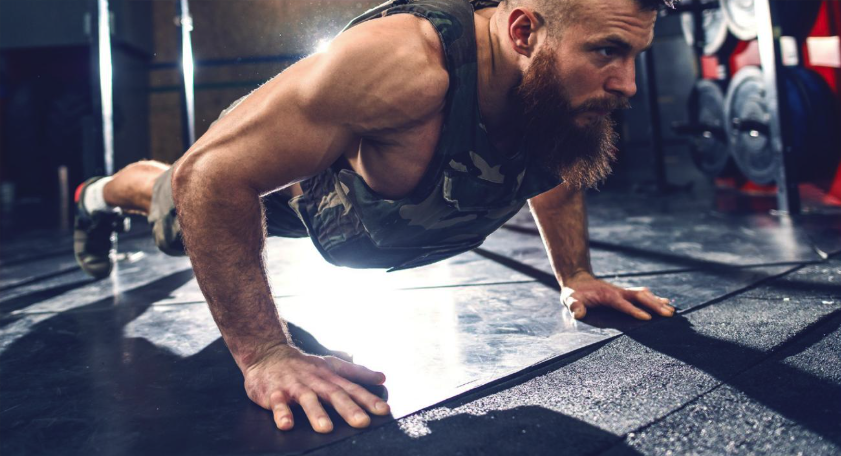
Take a drive through the neighborhood and you’re likely to encounter a walker or jogger sporting a weighted vest. The vest isn’t for looks or warmth (hello, Florida!) — it’s adding resistance to your workout.
Weighted vests have become very popular as a workout modality. Many people will wear them while they walk the dog or push the stroller, or maybe even when they go for a run or during a workout. They can be a simple but effective way to increase resistance on a low-impact activity like walking, helping you get a little more bang for your buck with every step.
Benefits of Weighted Vests
According to the Cleveland Clinic, there are several benefits to incorporating weighted vests:
- Burn more calories and increase energy expenditure: Weighted walking can increase the intensity of your activity, burning more calories.
- Build strength: A study by Mair, De Vito and Boreham found that weighted walking in adults 65 to 74 years old improved leg strength, power and functional abilities.
- Improve physical conditioning and endurance: Weighted vests are a low-impact way to increase physical performance and improve endurance.
- Possible bone health benefits: Studies are mixed but there is some evidence suggesting that bone density improves in certain populations.
Things to Consider
Using a weight vest is not recommended for everyone. Your baseline physical health, balance and history of injuries are important considerations.
Harvard Health and the Cleveland Clinic have cautioned about some of the potential drawbacks to wearing a weighted vest:
- Wearing a weighted vest can add additional stress on joints and connective tissues. If you have a history of joint problems or go too hard too fast, the vest could actually be detrimental.
- Weighted vests are not recommended for those with neck or back issues. Since most vests involve putting it on overhead, the weight can cause problems during putting it on and taking it off. Using too much weight can also exacerbate existing neck and spine problems.
- Adding weight changes your center of gravity, making balance different from your normal posture, potentially causing balance and movement issues. This can be particularly concerning for older adults or those who are unsteady on their feet. It is recommended to practice wearing a weighted vest during slower, low-impact movements like walking first before trying to complete activities for speed.
- Bone building benefits may not be the same for everyone. In a 2025 randomized clinical trial involving 150 older adults with obesity, wearing a weighted vest during weight loss did not prevent hip bone loss. While there may be benefits to wearing a weighted vest, it doesn’t guarantee strong bones or fall prevention.
How to Get Started
Harvard Health recommends easing into using a weighted vest, starting with adding just one to five pounds if you are new to fitness. As you gradually increase, the recommendation offered by the Cleveland Clinic is to work up to 5% to 10% of your bodyweight at the most. For example, for a 150-pound individual, the vest would weigh no more than 15 pounds.
Start with walking or slow and controlled exercises like squats. This will allow for adjustments to balance and load and then can be increased as tolerated.
Find a vest with a secure fit. This will minimize the potential for skin chafing and irritation and allow the weight to be close to your body, reducing the likelihood of injury due to poor body positioning.
Most importantly, have fun. Listen to your body — if it causes pain or discomfort, stop immediately. If you have preexisting conditions, talk to your provider about the safety and suitability of this activity for you.