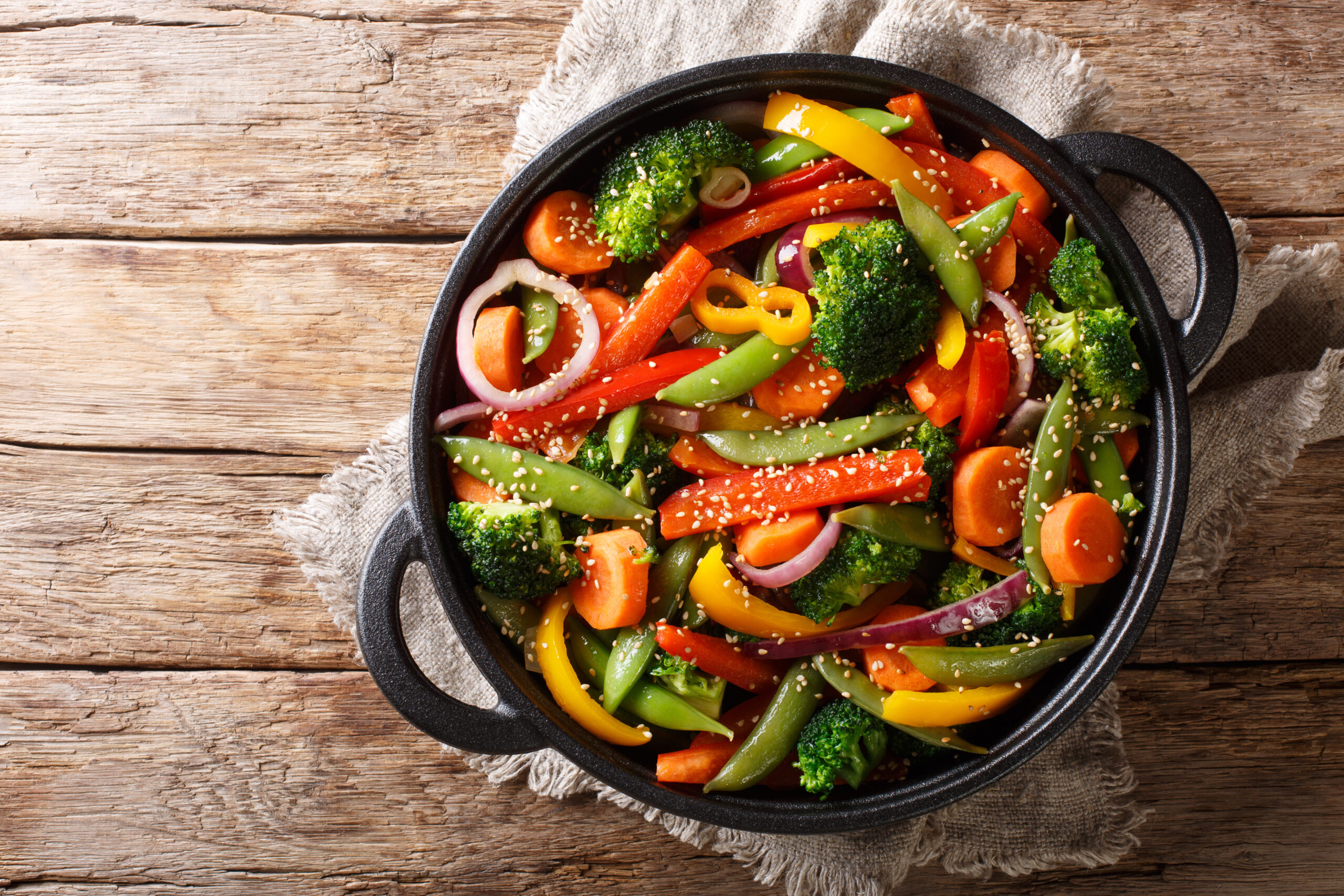
If you’ve spent any time on TikTok lately, you may have seen a wellness trend called “fibermaxxing.” While many social media trends are not scientifically sound, fibermaxxing has some merit.
What Is Fibermaxxing?
Fibermaxxing is defined as increasing dietary fiber intake by prioritizing fiber-rich foods throughout the day. The trend grew when nutrition influencers began promoting “fiber-forward” eating for gut health, satiety, blood sugar balance and even glowing skin.
While fibermaxxing promotes additional fiber consumption, some influencers take it to the extreme, recommending more fiber than necessary.
Fiber Is a Nutritional Powerhouse
There are two types of fiber — soluble and insoluble. Soluble fiber dissolves in water and creates a gel within the system that slows digestion and helps you feel full. Insoluble fiber does not break down in water. Instead, it tends to stay intact as it passes through the digestive system, adding bulk to stool and cleaning out the colon, promoting overall digestive health.
Fiber aids digestive health by preventing constipation and improving the gut microbiome. Fiber also helps regulate blood sugar, preventing big spikes after meals. Not only that, fiber is heart healthy with benefits like lowering LDL or “bad” cholesterol, fighting inflammation and controlling blood pressure. Fiber-rich meals also support weight management by promoting satiety, which helps prevent overeating.

The Dietary Guidelines for Americans 2020-2025 reports that adults should consume approximately 14 grams of fiber per every 1,000 calories consumed. For most adults, this is somewhere around 25 to 34 grams per day. After age 50, these numbers decrease slightly (28 grams for men and 22 grams for women). However, the Mayo Clinic estimates that more than 90% of women and 97% of men don’t consume the recommended daily intake of fiber.
How to Get More Fiber
While many nutrition trends focus on eliminating foods, fibermaxxing promotes adding fiber-rich foods to your plate.
Great sources of fiber include oats, berries and other fruits, nuts and seeds, whole grains, chia and flax seeds, beans, lentils, leafy greens and other vegetables. There are also many pre-packaged snacks and cereals that are high in fiber. While these can be a decent supplement, fiber that comes directly from natural sources is a healthier overall choice.
Start the day with a bowl of oatmeal with berries. Snack on apple slices and carrot sticks throughout the day. Add seeds to your salad and incorporate fruits and vegetables at every meal. Without getting caught up in the details, you can easily increase fiber in your diet by adding in more plant-based foods throughout the day. As you increase fiber intake, drink extra water throughout the day to help move it through the system.
Food High in Fiber

Proceed with Caution
While experts agree that high fiber diets have a multitude of health benefits, introduce additional fiber to your diet incrementally to avoid digestive issues.
Adding too much at once can cause bloating, gas, constipation or digestive distress. Those with a history of certain conditions such as irritable bowel syndrome (IBS), inflammatory bowel disease (IBD), small intestinal bacterial overgrowth (SIBO), crohn’s disease, ulcerative colitis (UC) and others should discuss fiber intake with their providers to ensure proper intake.
Not all wellness trends are worth following, but fibermaxxing in moderation has the potential to improve digestive, heart and overall health.
Related Articles
A Look at History’s Most Bizarre Diets