Wellness practices have gained traction in the U.S. in recent years but many Americans view wellness rituals as “woo woo” and a little too unusual to try. In other parts of the world, wellness practices and rituals are ingrained in the fabric of life and are as mainstream as soda and french fries are here. Ready to expand your wellness routine? A glance around the globe can open our eyes to new practices.
NORDIC NATURAL BIOHACKING
Medical News Today defines biohacking as “a do-it-yourself (DIY) form of personal improvement in which people attempt to change aspects of their biology to improve their health, performance, or well-being.” While Americans use many techniques to achieve this objective, they also often rely heavily on technology to help them track any and every biometric data point available.
Nordic countries utilize natural biohacking techniques through a minimalist, nature-integrated approach to optimizing health, performance and longevity. They integrate this practice without reliance on tech gadgets or heavy supplementation. It’s deeply rooted in ancestral living and the natural environment, and it reflects a mindset of resilience, balance and seasonal adaptation rather than quantifying data.

Natural biohacking practiced in Nordic countries includes:
Focus on Circadian Rhythms and Seasonal Changes
• Winter is a time of slowing down and introspection with earlier bedtimes while Summer is a period of increased activity.
Cold and Heat Exposure
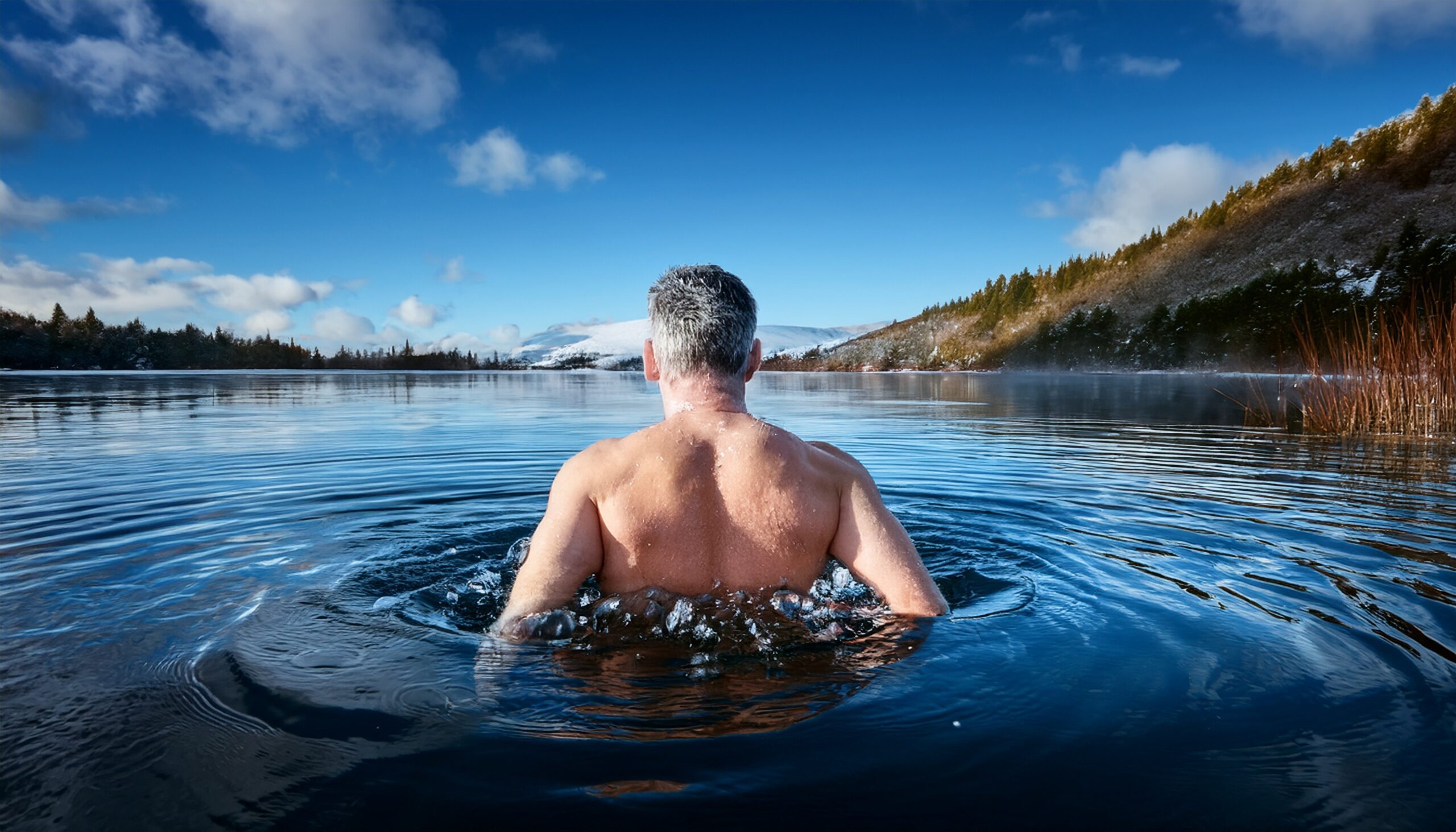
• Cold plunging year round, barefoot walking in snow and outdoor winter exercise in minimal clothing are all common.
• Heat exposure (often done in combination with cold exposure) is performed routinely with frequent sauna sessions (often three to seven times per week).
Seasonal and Ancestral Nutrition
• Consuming nutrient-rich foods with seasonal ingredients, as well as avoiding ultra processed foods keeps nutrition in check.
• Many people include fasting and intermittent eating, following the seasonal patterns of longer fasts in the winter.
• Incorporating fermented fish (like surströmming) and fermented dairy (filmjölk, skyr) are part of the routine diet.
Minimizing Technology
• It is uncommon to use wearables or tracking technology to monitor health.
• Many people take technology-free weekend retreats.
Outdoor Activity
• “Friluftsliv” (Norwegian for “open-air living”) is a cultural value – spending time outdoors is seen as essential, not optional.
• Functional movement such as hiking, swimming, chopping wood and barefoot training are an important part of the lifestyle.
KNEIPP THERAPY
Kneipp Therapy is a practice common in Germany, Austria and Switzerland that is best known for its hydrotherapy but in fact, includes several of the same tenets of natural biohacking:
Hydrotherapy
• The cornerstone of Kneipp Therapy is using alternating cold and hot water sources on the arms or feet (or sometimes the whole body) to boost circulation, improve the immune response, reduce inflammation and regulate the nervous system. Many public parks have water sources available for this therapy.
Regular Gentle Exercise, Including Walking Barefoot in Nature
• Gentle, enjoyable exercise (versus intense workouts) including walking barefoot in nature, particularly among textured natural surfaces such as stones, bark or wet grass. Many public places include Kneipp walking trails.
• Sebastian Kneipp (creator of Kneipp Therapy) advocated for daily walks regardless of weather, an early cold exposure philosophy.
Seasonal Plant-Based Nutrition and Herbal Medicines
• Inclusion of seasonal foods (primarily plant-based and not processed) as well as using plants and herbal medicines as remedies.
URBAN WILD SWIMMING
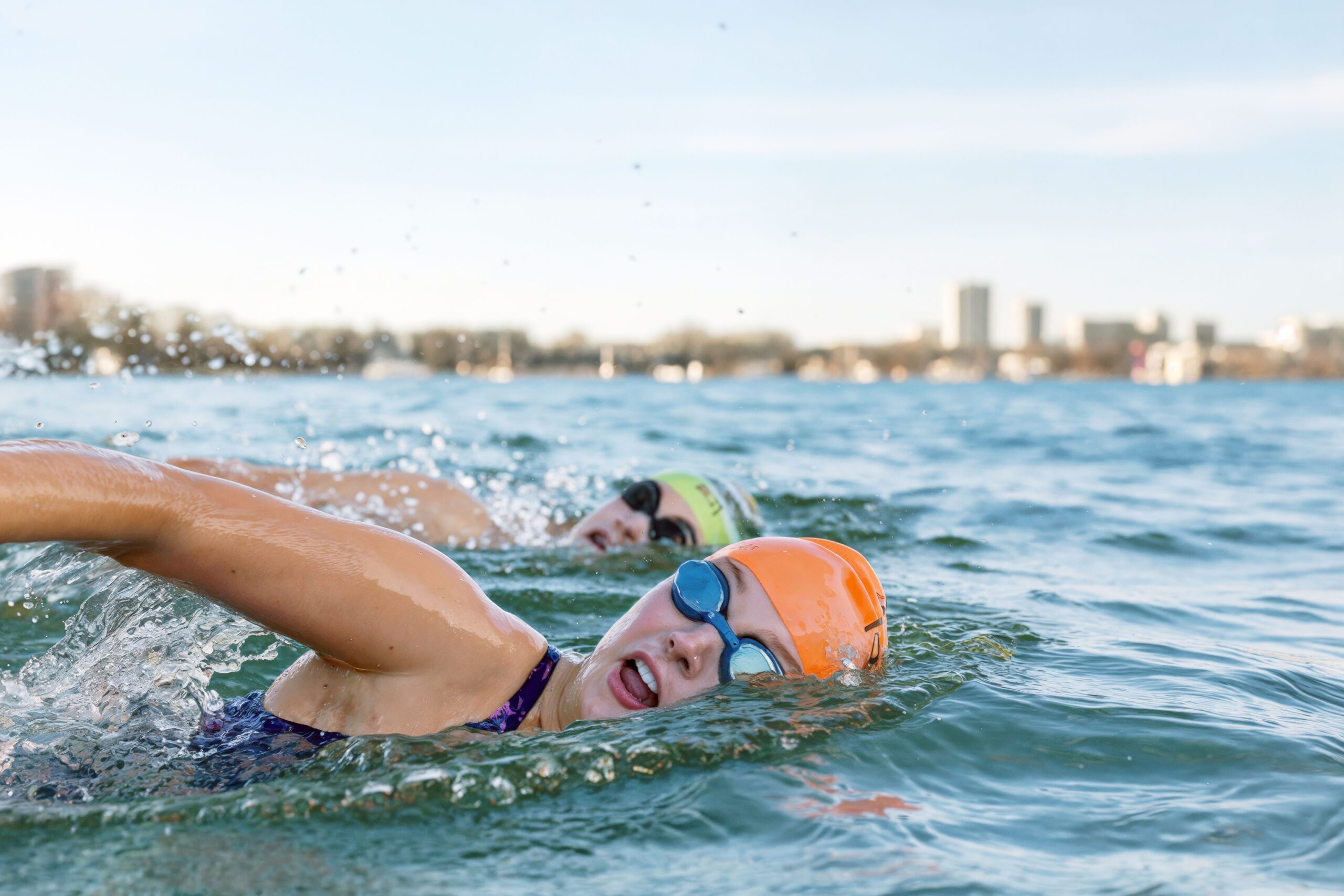
Urban wild – isn’t that a contradiction? In some European countries, swimming in an urban yet wild environment is a popular wellness trend, particularly among young professionals. Urban wild swimming means swimming in a natural body of water (lake, fjord, river, ocean inlet) within (or very close to) an urban area. This form of outdoor swimming is done year-round, regardless of weather, as a method of exercise and mindfulness.
European cities such as Berlin, Stockholm, Copenhagen and even London have embraced this concept and provided safe, clean natural outlets for their residents. In many places, the water is tested daily for swimmer safety. The city’s infrastructure supports this connection between residents and natural resources by ensuring safe water and access to nearby facilities.
Besides improved circulation, immune function and metabolic health, this practice also helps reduce anxiety and depression, boost resilience and increase mindfulness. Because it’s completed year-round, often cutting holes in the ice in order to swim, it’s often followed by a visit to the sauna for recovery.
Related Articles:
Indoor Workouts to Beat the Heat
At Home Ab Workouts for Everyone