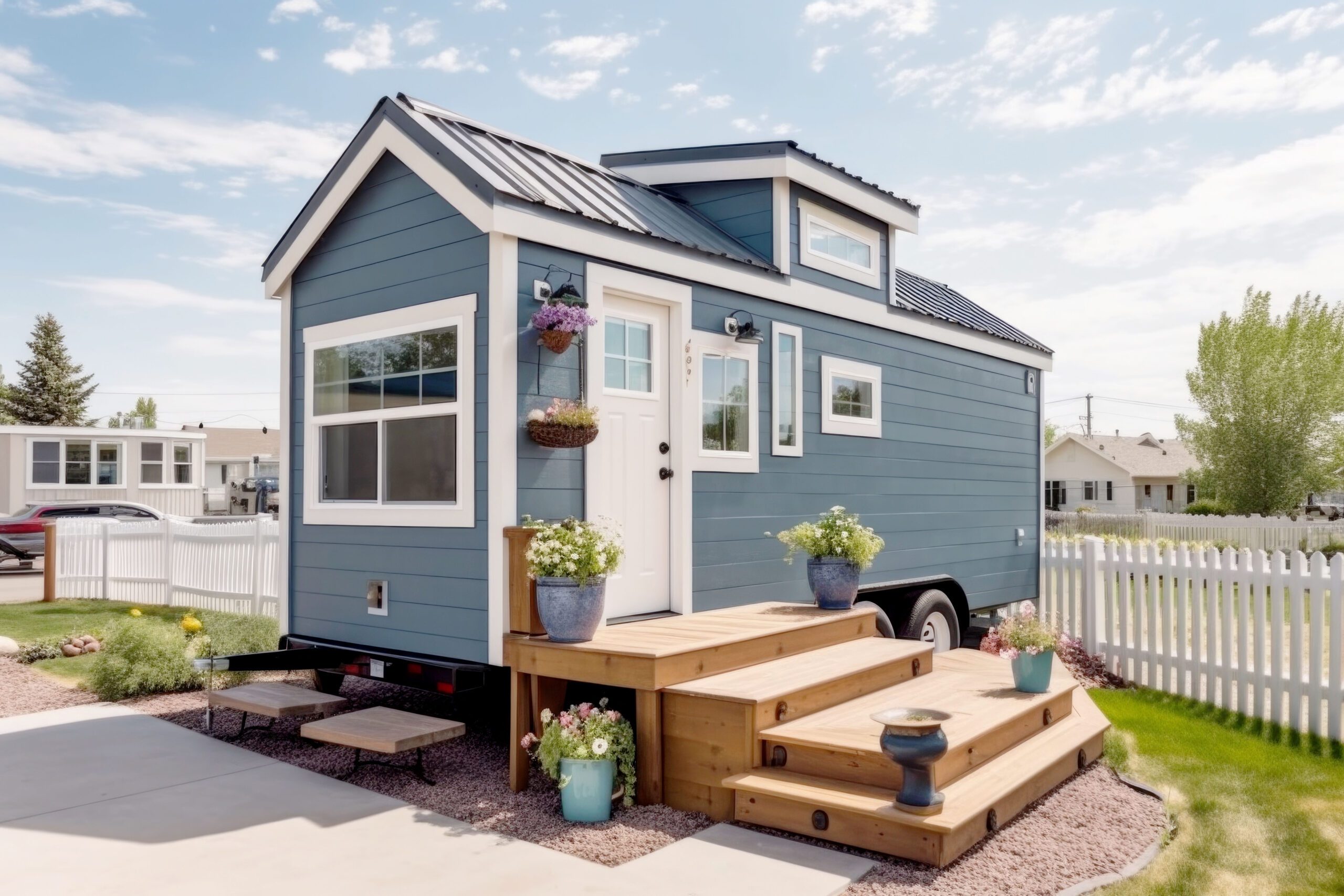
As home prices continue to climb and lifestyles evolve, more Americans are rethinking what it means to have a place to call home. From tiny houses and converted vans, to floating homes and shipping container dwellings, a wave of unconventional living spaces is gaining popularity. These homes aren’t just trendy — they offer practical, affordable and often more sustainable ways to live. But what’s driving this shift, and who’s making the move?
RETHINKING THE AMERICAN DREAM
For decades, the ideal of the American Dream revolved around owning a spacious home in the suburbs. But today, with the median U.S. home price hovering around $513,000, many people are finding that dream harder to achieve.
Tiny homes have become a compelling alternative. These small-scale dwellings generally cost between $30,000 and $60,000 — a fraction of the cost of a traditional house.
According to a survey by IPX1031, 65% of Americans would consider buying a tiny home primarily for financial reasons. Even more — 86% — see tiny homes as a smart investment, particularly for first-time buyers.
Beyond affordability, tiny living often goes hand-in-hand with minimalism, simplicity and a desire to live with less. For many, that’s a refreshing change from the pressures of consumer culture and high living costs.
WHO’S MAKING THE SWITCH?
While younger people often get credit for embracing alternative lifestyles, the movement toward nontraditional housing spans generations. About 80% of tiny homeowners are over the age of 30. Of those, 40% are between 30 and 50, and another 40% are over 50. Women make up 55% of the tiny home community, frequently valuing smart layouts and cozy, functional interiors.
A striking 68% of tiny home dwellers live without a mortgage, highlighting how this lifestyle can provide both financial relief and freedom from debt.
WHERE IT’S TAKING OFF
Alternative housing is gaining momentum in cities where the cost of living is particularly steep. Places like Portland, Seattle and Austin have embraced tiny home communities that encourage sustainability and shared resources.
In Honolulu, Hawaii, the Alana Ola Pono village offers tiny homes for just $500 a month to people who were previously homeless. While the initiative faces logistical challenges — such as high utility costs and infrastructure needs — it’s giving people a stable place to live and fostering a sense of community.
Across the country, similar efforts are being explored as cities look for creative ways to address housing shortages and affordability crises.
BEYOND TINY HOUSES
Tiny homes are just one type of alternative dwelling. Van life has also exploded in popularity, especially among people craving mobility and adventure. Between 2018 and 2021, searches related to van living rose by 216%. People are customizing vans and RVs into homes on wheels, enjoying the freedom to travel while keeping living costs low.
Floating homes and shipping container houses are also gaining attention, especially in urban areas where space is limited. These unique dwellings often incorporate eco-friendly features like solar power, rainwater collection and energy-efficient appliances — aligning with a growing interest in sustainable living.
FINANCIAL AND ENVIRONMENTAL PERKS
Alternative homes offer a range of economic and environmental benefits. Tiny houses, for example, use only about 7% of the energy consumed by traditional homes and generate far less carbon dioxide. Their small footprint encourages efficient use of space and resources.
Financially, these homes often come with lower utility bills, reduced property taxes and the potential for a debt-free lifestyle. For people looking to cut costs, reduce stress or live more intentionally, these options can be game-changers.
HURDLES AND CONSIDERATIONS
Despite the benefits, there are obstacles. Zoning laws and building codes can make it difficult to place or legally inhabit alternative homes, especially in suburban or urban areas. Some communities are hesitant to accept nontraditional housing, citing concerns about property values or neighborhood character.
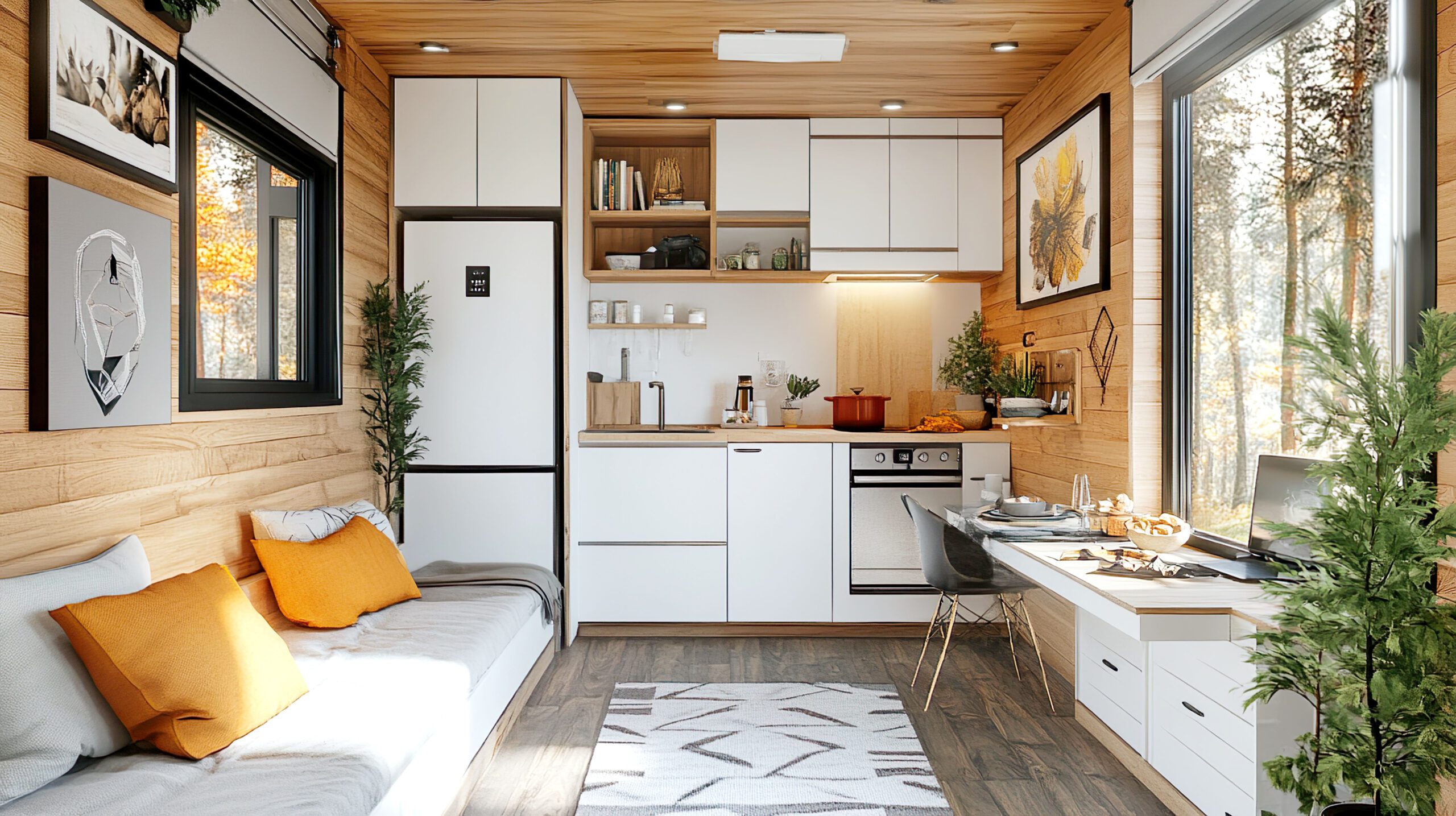
Limited space is another factor. While many people love the idea of minimalism, living in a smaller space can be challenging for families or those used to larger homes. Off- grid options may also require extra planning for utilities and waste management.
A NEW TAKE ON HOME
The rise of alternative dwellings reflects a shift in how people are thinking about their home, money and overall sustainability. As traditional housing becomes less attainable for many, these creative options offer flexibility, financial stability and a less impactful environmental footprint.
Whether it’s a tiny house in a backyard, a van on the open road or a floating home in the city, alternative living is no longer a fringe movement — it’s a growing response to the realities of modern life.
Related Articles: